As global concerns grow over microplastic pollution, the automotive industry is taking a closer look at an often-overlooked contributor—tire wear. In Japan, where environmental sustainability is at the forefront of public consciousness, automakers and tire manufacturers are pioneering technologies to reduce microplastic emissions from tire abrasion.
The Hidden Threat of Tire Dust
While plastic waste in oceans often makes headlines, microplastics from tire wear make up an estimated 28% of global microplastic pollution, according to the International Union for Conservation of Nature (IUCN). In Japan, with its high vehicle density and urban infrastructure, this form of pollution poses a serious environmental risk.
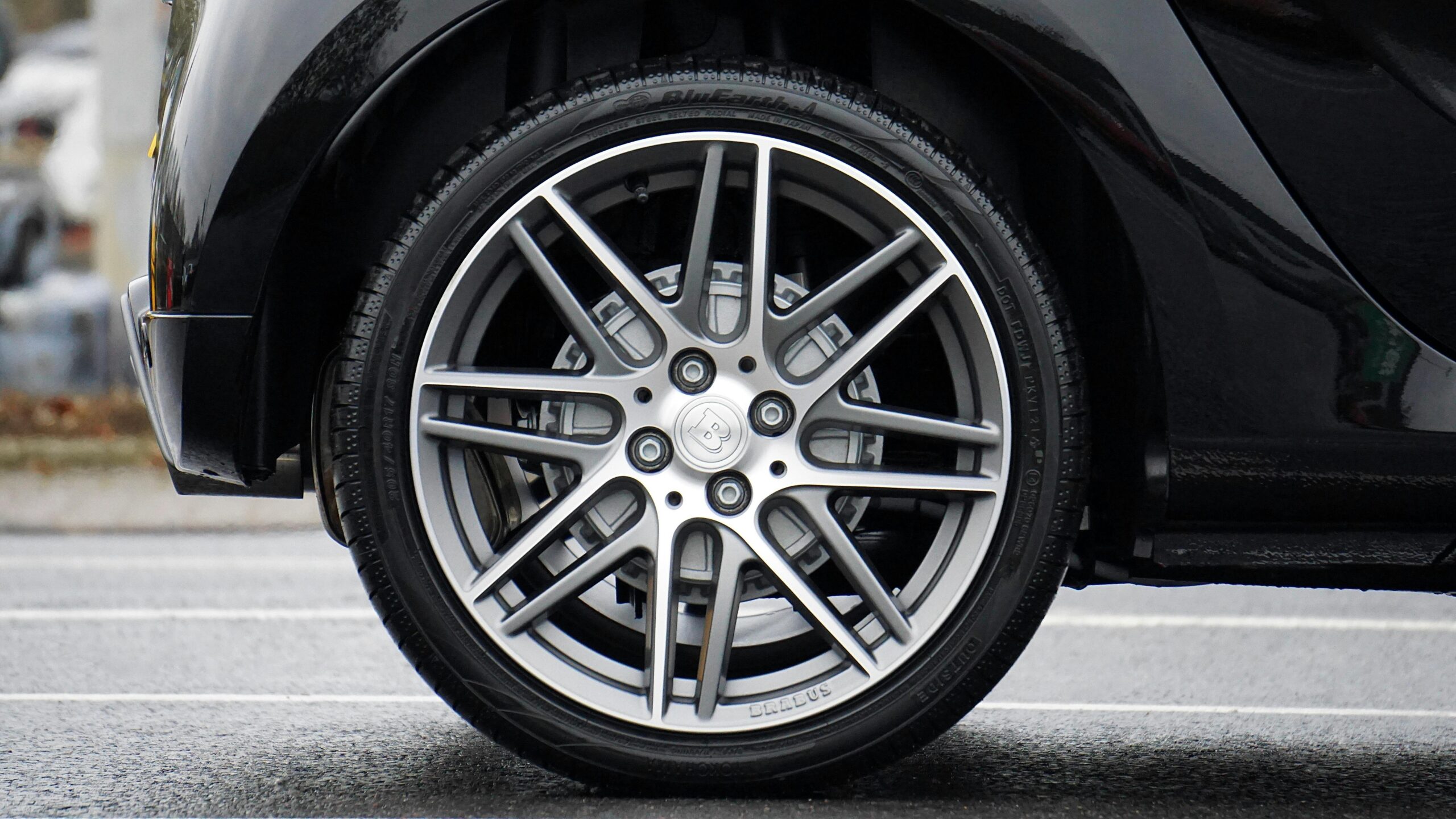
Tire wear particles are generated every time a vehicle moves—rubber, fillers, and synthetic polymers wear off and accumulate in road runoff, eventually reaching rivers and oceans. Unlike traditional emissions, these are not visible, making them harder to regulate and remove.
Japanese Industry’s Response
Japanese tire giants like Bridgestone and Sumitomo Rubber Industries are at the forefront of developing low-emission tires. Bridgestone recently unveiled its ENLITEN tire technology, which reduces rolling resistance and minimizes particle shedding through the use of advanced silica compounds and smart tread design.
Sumitomo Rubber is going even further with its “Tyre Sensor x AI” system that not only monitors tire pressure but also evaluates wear patterns to predict and optimize tire longevity. This reduces waste while also promoting efficient driving.
Government Initiatives
The Ministry of the Environment in Japan has launched funding programs and R&D grants aimed at curbing microplastic pollution, including tire particle studies. In partnership with universities like the University of Tokyo, these initiatives have supported real-time monitoring stations that analyze urban water systems for microplastic content.
In 2023, Japan proposed integrating microplastic metrics into its annual environmental performance index, signaling its intent to enforce stricter regulations on all sources of such pollutants, including automotive components.
Urban Planning and Road Surfaces
Interestingly, some of Japan’s urban infrastructure projects are also designed to tackle this issue. Porous pavement materials, which can trap microplastics, are being tested in cities like Fukuoka and Yokohama. These surfaces aim to reduce runoff velocity and filter out particulate matter from vehicle use before it reaches waterways.
Consumer Awareness and the Shift to Sustainability
Japanese consumers are increasingly aware of the environmental impact of driving, especially among younger generations. The rise of electric vehicles (EVs) has spurred interest in holistic sustainability—from powertrain emissions to material choices and tire impact. As a result, automakers now promote not only low-emission vehicles but also eco-friendly tire options.
The Japanese Automobile Manufacturers Association (JAMA) has launched educational campaigns about the hidden environmental costs of vehicle usage, urging drivers to maintain proper tire pressure and drive conservatively to reduce wear.
The Road Ahead
Japan’s approach to tire-related microplastic pollution exemplifies its ability to combine technological innovation with environmental responsibility. As regulatory pressure increases and consumer expectations shift, tire technology will become a key battleground in sustainable mobility.
In the global effort to reduce plastic pollution, Japan’s automotive industry is proving that even the smallest particles deserve serious attention—and smart solutions.