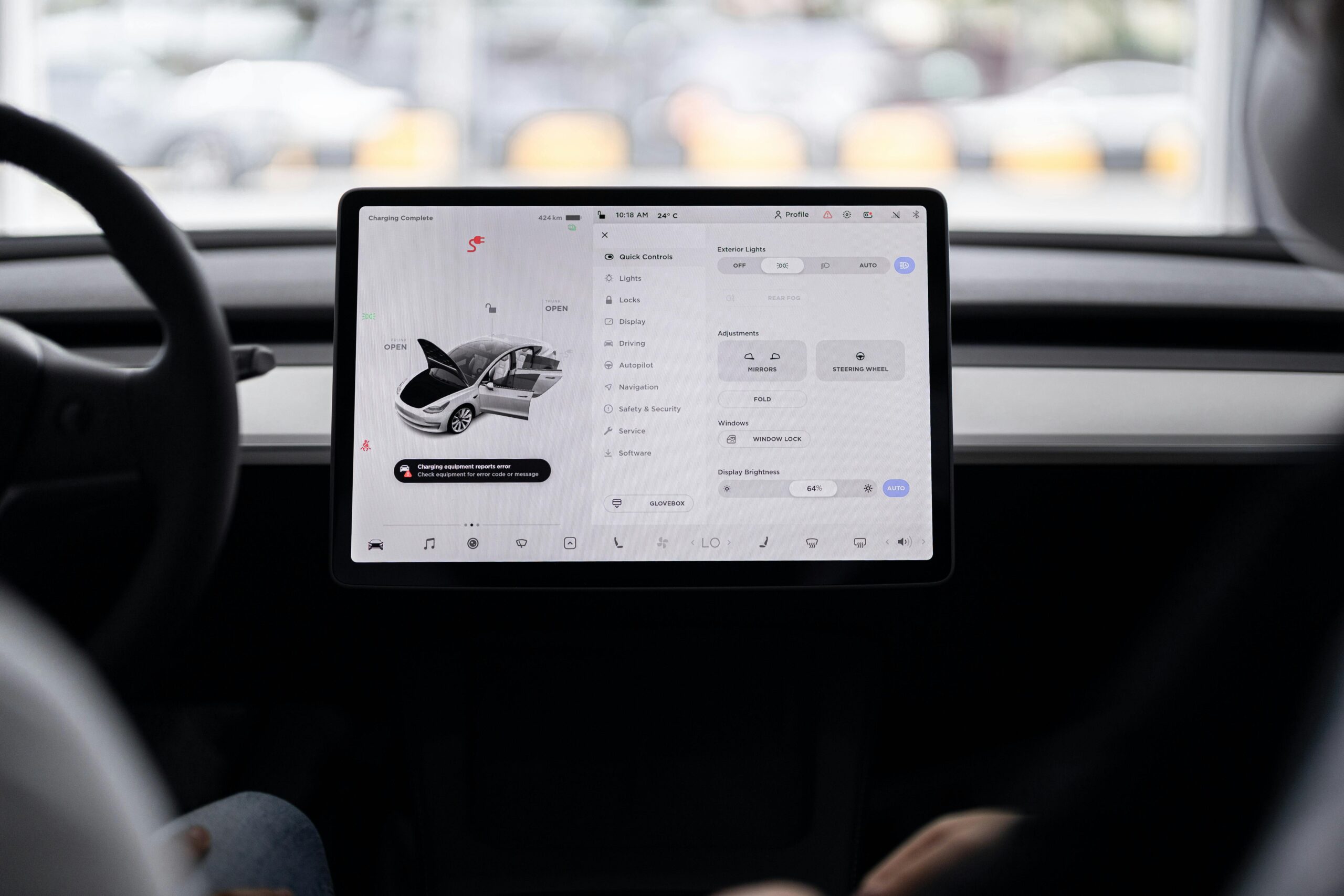
As software continues to reshape the global automotive industry, one area undergoing rapid transformation is the in-vehicle cabin experience. No longer limited to displays and climate control, the modern cabin is evolving into an intelligent, anticipatory environment driven by artificial intelligence.
For Japanese automakers facing intense competition from EV startups and tech companies, AI-powered cabin systems represent a new frontier—one where user experience, software sophistication, and personalized mobility converge.
From Basic Interfaces to Intelligent Environments
Traditional automotive UX was built around fixed controls and simple infotainment. Today, AI enables a fully adaptive cabin that can respond, learn, and adjust in real time. Key innovations include:
• Emotion recognition that detects stress, fatigue, or distraction
• Context-aware interfaces that simplify menus based on the driver’s situation
• Dynamic voice assistants that understand natural language and driving context
• Seat, lighting, and climate personalization through machine learning
• AI-driven safety prompts during dangerous driving behavior
• Smart acoustic zones for personalized audio experiences
These technologies transform the vehicle from a mechanical tool into a highly personalized digital space.
Why AI-Powered Cabins Matter for Japan’s Mobility Strategy
Japan has long excelled in hardware craftsmanship, but global competition is shifting toward software-driven differentiation.
AI-powered cabins allow Japanese OEMs to:
• Redefine brand identity through user experience
• Attract younger, tech-native consumers
• Compete against global EV brands known for software innovation
• Create recurring revenue through subscription UX services
• Strengthen safety and comfort through real-time sensing
As vehicles become rolling computers, the cabin becomes the primary point of value creation.
Impact on Japan’s Automotive Talent Market
This shift toward intelligent cabin systems is generating strong new hiring demands across the industry. High-demand roles include:
• Human–machine interaction (HMI) designers
• Natural language processing (NLP) engineers
• Computer vision experts for emotion and gesture recognition
• UX researchers and designers specializing in mobility
• Embedded AI engineers
• Audio and acoustic system engineers
• Edge AI specialists for in-vehicle inference
As Japanese OEMs expand partnerships with tech companies, bilingual engineers who can bridge global UX standards and Japanese design culture are becoming extremely valuable.
A New Mobility Identity for Japan
AI-powered cabin experiences represent a major shift in how Japan’s automotive brands can differentiate themselves globally. The future of mobility will not only be about powertrain efficiency—it will be about how the vehicle understands, responds to, and enhances the human experience.
Companies that invest early in intelligent cabin technology and the talent behind it will lead the next wave of value creation in the automotive sector.