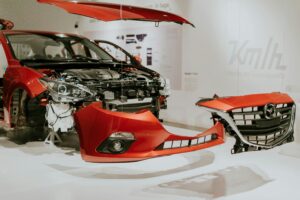
Japan’s automotive industry has built a global reputation for precision, reliability, and kaizen-driven manufacturing. Now, the rise of artificial intelligence (AI) is pushing quality control to new heights. By embedding machine learning algorithms, computer vision, and sensor-based analytics into factory floors, Japanese automakers are achieving faster, more accurate, and more consistent inspections than ever before.
Why AI in Quality Control Matters
Traditional quality control relies heavily on human inspectors, who—even with expert training—can be prone to fatigue and inconsistency. AI systems offer several advantages:
- Real-time defect detection
- Micron-level precision
- Continuous, 24/7 monitoring
- Reduction of human error and subjective judgment
With Japan facing a labor shortage and rising global competition, automation in quality assurance is a strategic necessity.
How It Works
- Computer Vision Systems:
- High-resolution cameras scan surfaces for scratches, dents, and paint inconsistencies.
- AI models compare images against millions of defect samples to flag anomalies.
- Sensor Integration:
- Embedded sensors in assembly lines monitor torque, vibration, alignment, and thermal output.
- Real-time data is used to predict maintenance needs and identify process drift.
- Predictive Analytics:
- Machine learning models analyze historical quality data to anticipate where defects are likely to occur.
- Preventive actions are recommended before defects even happen.
- Natural Language Processing (NLP):
- AI analyzes written defect reports from operators to extract trends and refine detection criteria.
Industry Leaders and Initiatives
- Toyota: Uses AI-powered camera systems to inspect over 2,000 vehicle parts per day.
- Nissan: Deploys machine learning to optimize robot arm alignment in welding stations.
- Mazda: Combines AI with virtual reality to simulate and improve assembly techniques.
- Hitachi Automotive Systems: Offers AI-powered quality platforms for suppliers and tier-one manufacturers.
Benefits to Manufacturers and Consumers
- Fewer recalls and warranty claims
- Lower production waste and cost
- Higher consistency and brand reputation
- Shorter time to market with reduced testing cycles
Challenges and Considerations
- Initial investment in AI infrastructure and skilled personnel
- Data security for cloud-based factory systems
- Integration with legacy equipment on older production lines
- Continuous retraining of models as materials and specs evolve
Japan’s Competitive Edge
Japan’s emphasis on monozukuri (craftsmanship) and quality aligns naturally with AI’s precision potential. The country’s well-established culture of process optimization, combined with cutting-edge R&D in robotics and software, positions it to lead the world in AI-enhanced manufacturing.
In an era where vehicle complexity is rising, AI doesn’t replace craftsmanship—it strengthens it.