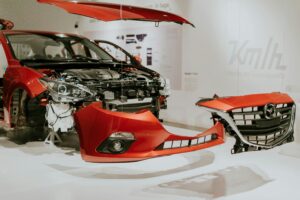
The automotive industry in Japan is undergoing a digital transformation, and AI-powered vehicle inspection is at the forefront of this change. Traditional inspection methods are labor-intensive, time-consuming, and prone to human error. AI technologies, including machine learning, computer vision, and robotics, are now being integrated into inspection lines to ensure higher accuracy, efficiency, and consistency in vehicle quality checks.
Automation Meets Precision
AI-driven systems can detect paint defects, panel misalignment, and mechanical anomalies with a level of precision unattainable by human inspectors. Advanced cameras and sensors capture thousands of data points in real-time, while machine learning algorithms analyze patterns to identify potential faults. This automation not only reduces inspection time but also significantly improves overall vehicle quality and customer satisfaction.
Integration with IoT and Smart Factories
Japanese automotive manufacturers are integrating AI inspection systems into smart factory setups. IoT devices connected across production lines allow AI to monitor assembly processes continuously. Real-time alerts for anomalies ensure rapid response, minimizing defects and production delays. This connectivity also supports predictive maintenance, allowing factories to anticipate equipment failures and optimize production schedules.
Implications for Talent and Recruitment
The rise of AI-powered vehicle inspection is reshaping workforce requirements in Japan’s automotive sector. Engineers with expertise in AI, robotics, data analytics, and computer vision are increasingly sought after. Bilingual professionals capable of bridging the gap between engineering teams and IT departments are in high demand. Recruitment agencies and companies are now prioritizing candidates with cross-functional expertise to lead innovation in inspection technologies.
Benefits for Industry and Consumers
Beyond operational efficiency, AI inspection improves safety and reliability for consumers. Early detection of defects reduces recalls, lowers warranty costs, and enhances brand trust. For the automotive industry, these systems provide a competitive edge by streamlining production and ensuring consistent quality across models.
Future Outlook
As AI technologies evolve, vehicle inspection will become even more intelligent and autonomous. Japan’s automotive sector is poised to lead the global market in AI-enabled manufacturing and quality assurance. For professionals and companies, this trend signals opportunities to contribute to innovative solutions that redefine how vehicles are built and maintained.