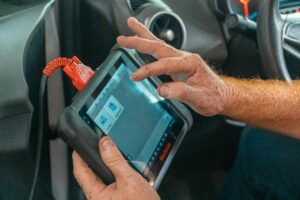
As Japan continues leading innovation in the mobility industry, AI-powered predictive maintenance is emerging as a game-changer in how vehicles are serviced, managed, and operated. This intelligent system monitors a car’s performance in real time to detect potential issues—before they become costly or dangerous.
What Is Predictive Maintenance?
Unlike scheduled maintenance (based on time or mileage), predictive maintenance uses real-time data and machine learning to anticipate failures and recommend service only when necessary.
Key technologies include:
- Sensor data (engine, brakes, battery, tires)
- AI algorithms to detect wear patterns
- Cloud platforms that send alerts to drivers or service providers
- Historical data models to improve prediction accuracy over time
Why It Matters for Japan
- Aging drivers and vehicles: Preventative maintenance improves safety and peace of mind
- High-density cities: Fleet operators need to minimize breakdowns and optimize uptime
- Cost efficiency: Reducing unnecessary maintenance lowers both personal and commercial ownership costs
- Environmental benefits: Timely repairs mean better fuel efficiency and reduced emissions
Examples in the Japanese Market
- Nissan’s ProPILOT Connect integrates predictive features in its telematics for EVs
- Toyota’s Mobility Service Platform (MSPF) includes predictive maintenance for ride-hailing fleets
- Mitsubishi Fuso offers AI-powered diagnostics in its eCanter electric trucks
- Panasonic and Denso are co-developing AI-based vehicle health monitoring systems
Benefits for Drivers and Fleet Managers
- Avoid breakdowns and emergency repairs
- Increase vehicle lifespan and resale value
- Reduce maintenance costs through accuracy
- Plan maintenance proactively to avoid disruptions
Challenges to Overcome
- Data privacy: Ensuring driver consent and secure data handling
- Device compatibility: Standardization of sensors across models and brands
- Training: Mechanics need to interpret AI-generated diagnostics
- Initial cost: Advanced AI systems may be expensive for older car retrofits
Career Implications in Japan’s Auto Sector
- Growth in demand for automotive data scientists and AI system engineers
- Emerging roles in predictive maintenance support teams at dealerships and fleet companies
- Upskilling opportunities for automotive technicians using AI diagnostic tools
- Need for software and hardware integration specialists in Tier 1 suppliers
As Japan embraces smart mobility, AI predictive maintenance represents a shift from reactive to proactive vehicle care. It not only saves time and money but also supports safety, sustainability, and digital innovation in one of the world’s most advanced automotive ecosystems.