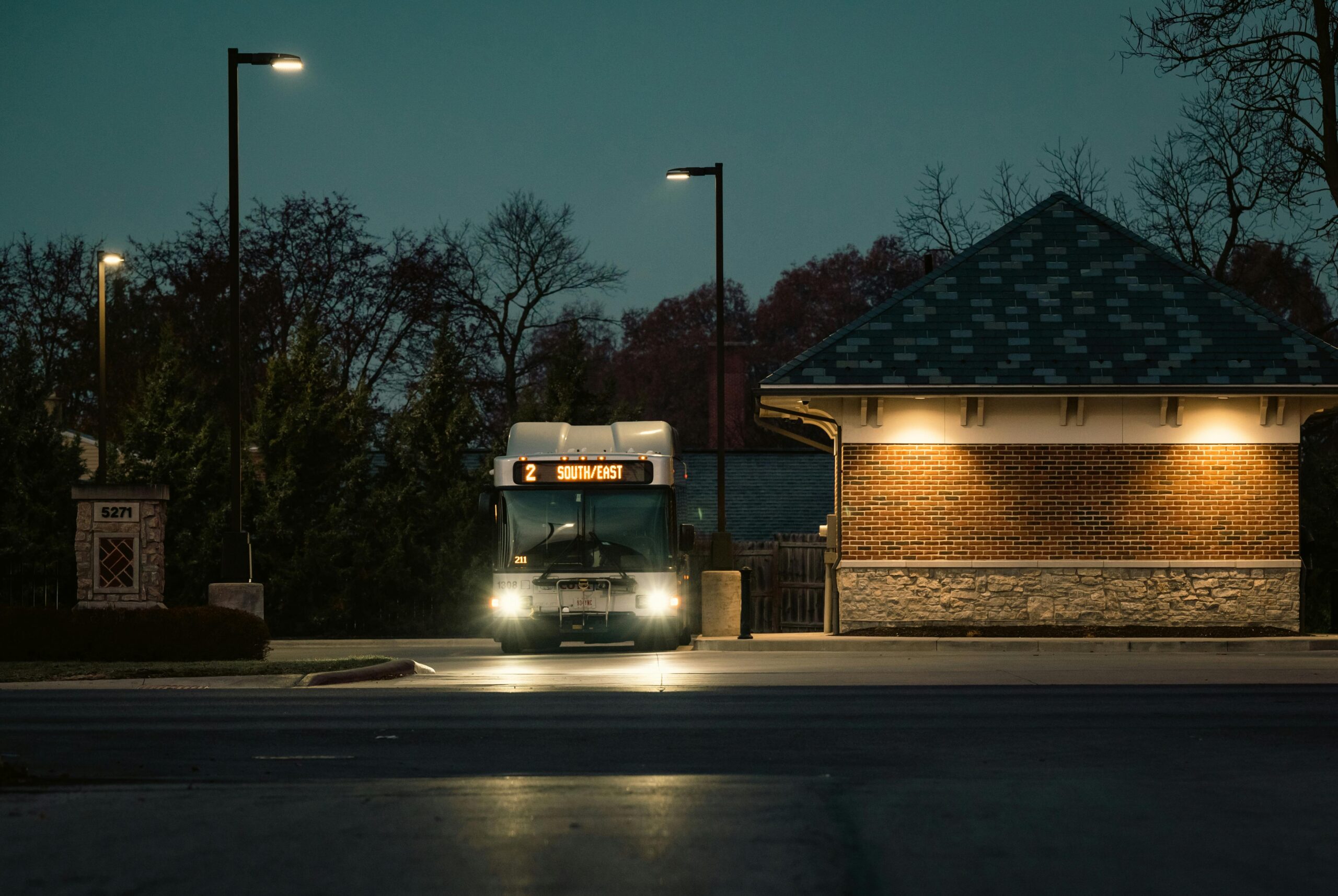
Japan is facing a demographic shift—with over 30% of its population aged 65 or older, the country is pioneering autonomous shuttle technology to support daily mobility for the elderly. Driverless mini-buses and shuttle services promise to deliver safe, on-demand transport in retirement communities, hospitals, and rural areas with dwindling public transit options.
Why Focus on Autonomous Shuttles?
- Elderly Independence: As Japan’s population ages, many seniors lose their ability to drive, even as living areas remain poorly served by public transit. Autonomous shuttles offer door-to-door service, enabling independence and social participation.
- Rural Accessibility: Depopulation in rural regions has led to reduced bus services. Automated shuttles can restore essential transport connections without relying on drivers.
- Cost Efficiency: Shared, electric, driverless shuttles can reduce mobility costs for operators and municipalities while lowering emissions.
Key Initiatives and Pilots
- Mobility Inside: In partnership with Toyota, this project operates driverless pod-style shuttles inside retirement communities like the Future Life Tokyo campus.
- Keio University’s Next-Generation Transit: A trial shuttle operates on fixed routes in Komae City, integrating neighborhood pickups and drop-offs tailored for elderly users.
- Okinawa Prefecture Shuttle Tests: Autonomous minibuses on public roads are being tested in small islands to link local schools, clinics, and shopping areas.
- Public-Private Collaboration: Local governments work with firms like ZMP, Tier IV, and Nomad to build safety systems, regulatory frameworks, and real-time monitoring platforms.
Technology and Safety Features
- Low-Speed Geofencing: Shuttles operate at safe speeds (~20–30 km/h) within clearly defined corridors to prevent accidents in pedestrian-heavy zones.
- Sensor & AI Perception: LIDAR, radar, and cameras detect people, obstacles, and terrain changes, while onboard AI systems allow instant route recalculation.
- Redundant Failsafe Controls: Integrated emergency stops, remote monitoring, and fallback protocols enable rapid human intervention as needed.
- Comfort-Oriented Design: Vehicles include step-free boarding, seat belts, climate control, and easy access for walkers or wheelchairs.
Benefits to Communities and Users
- Improved Access to Services: Elderly residents can reach medical care, shopping, and community centers with dignity and independence.
- Reduced Caregiver Burden: Families save time and logistics by relying on reliable on-demand transport.
- Sociability and Well-Being: Regular mobility supports mental health, activity, and social engagement among seniors.
- Environmental Gains: Electric autonomous shuttles reduce urban traffic, noise, and carbon output.
Challenges and Policy Considerations
- Regulatory Barriers: National and local governments must resolve legal issues around liability, insurance, and pedestrian safety.
- Infrastructure Readiness: Reliable routes, signage, data networks, and vehicle charging are critical for successful deployment.
- Public Acceptance: Elderly passengers need clear instruction, trust in safety, and gradual introduction to digital booking systems.
- Scalability: Expanding small trial zones to citywide or regional systems requires substantial investment and collaboration.
The Road Ahead
With aging rapidly reshaping Japan’s population, autonomous shuttles are set to become a mainstream mobility option by the early 2030s. Integration with existing public transport, ride-hailing platforms, and community service networks will be key.
Japan’s leadership in robotics, vehicle safety regulation, and community-centric design positions it to become the world’s model for inclusive, driverless transport systems.