Digital transformation in mobility is accelerating, but one technology is quietly emerging as a transformational force across Japan’s automotive ecosystem: Digital Twin Technology.
Once limited to aerospace and industrial design, digital twins are now becoming essential for OEMs, suppliers, and mobility service companies aiming to optimize production, accelerate development cycles, and support next-generation vehicle platforms such as SDVs, EVs, and autonomous mobility.
As companies race to integrate this capability, the demand for digital-twin-ready talent is rising faster than the supply.
What Makes Digital Twins So Powerful?
A digital twin is a real-time, data-driven virtual replica of a physical asset—whether that asset is a vehicle, a battery system, an assembly line, or even an entire factory.
The technology enables:
• Real-time performance simulation
• Predictive maintenance for improved uptime
• Faster prototyping with reduced physical testing costs
• Optimization of production workflows
• Remote monitoring of vehicle behavior across fleets
In a landscape where development speed and operational efficiency shape competitive advantage, digital twins are becoming indispensable.
How Digital Twins Are Transforming Japan’s Automotive Sector
Japanese OEMs and suppliers are adopting digital twin platforms across multiple stages:
1. Design & Development
Engineering teams can simulate vehicle dynamics, aerodynamics, battery efficiency, and ECU behavior before building any physical models.
2. Manufacturing Optimization
Entire production lines are now mirrored digitally, allowing companies to test layout changes, identify bottlenecks, and automate scheduling.
3. Connected Vehicle Services
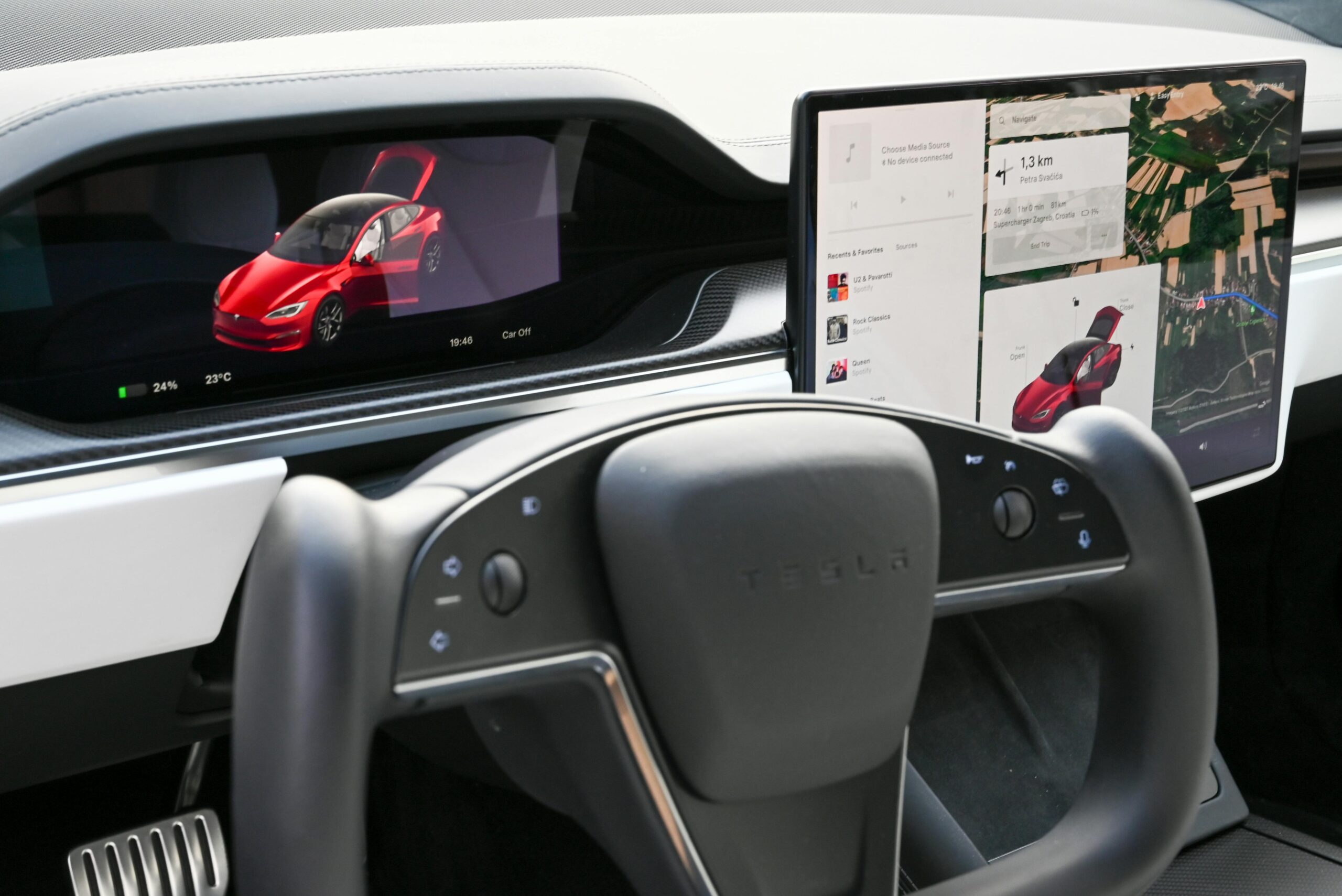
Digital twins extend into post-sales services by collecting real-time vehicle data to model wear, performance, and energy consumption.
4. Autonomous Driving Systems
Massive simulation environments allow automakers to test millions of scenarios that would be impossible or dangerous in real life.
Digital twin ecosystems are becoming the backbone of data-driven mobility.
The Rising Demand for Digital Twin Talent
Because digital twins sit at the intersection of engineering, software, AI, and cloud infrastructure, specialized talent is in short supply.
Companies now need:
• Digital twin architects
• Simulation engineers (vehicle, battery, manufacturing)
• Cloud platform engineers for mobility data pipelines
• AI/ML specialists for predictive modeling
• Systems engineers linking physical assets to virtual environments
• Data engineers with automotive domain knowledge
The ideal candidates are hybrid professionals—people who understand mechanical systems and advanced digital technologies at the same time.
How Hiring Strategies Are Evolving
To build these capabilities, companies across Japan are:
• Recruiting globally for simulation and AI specialists
• Upskilling mechanical engineers in cloud and digital modeling
• Establishing cross-functional digital engineering teams
• Increasing collaboration between IT vendors and mobility OEMs
• Offering flexible work setups to attract rare specialists
For recruitment, digital twin technology is creating new roles that did not exist five years ago—and companies who adapt fastest will lead Japan’s next wave of mobility innovation.
Why Digital Twins Are Now a Strategic Priority
As mobility becomes more connected, autonomous, and software-driven, digital twins give companies a critical advantage: the ability to test, predict, and optimize before real-world deployment.
For Japan, a global leader in precision manufacturing, digital twins represent a natural evolution of its engineering heritage—combining craftsmanship with cutting-edge digital intelligence.
The companies that embrace digital twin talent today will be the ones shaping the future of automotive innovation tomorrow.