As electric vehicles (EVs) gain momentum in Japan, the nation is addressing one of the industry’s critical sustainability challenges: what to do with EV batteries after their lifespan ends. Japan is pioneering comprehensive strategies in EV battery recycling and second-life usage, establishing a blueprint for a circular, low-carbon automotive economy.
Why Battery Recycling Matters
EV batteries are composed of valuable but finite and environmentally burdensome materials like lithium, cobalt, and nickel. Mining these materials causes significant environmental degradation and geopolitical tension. Recycling reduces reliance on raw extraction, lowers the carbon footprint, and ensures a stable domestic supply chain for battery manufacturing.
Japan’s National Response
Japan has developed one of the world’s most advanced end-of-life battery management systems, supported by both government regulation and private sector innovation.
- Ministry of Economy, Trade and Industry (METI) mandates strict collection and reporting systems for end-of-life EV batteries.
- Battery Collection Infrastructure: Japanese carmakers operate dedicated return networks through dealerships, repair centers, and logistics companies.
- Subsidies and Grants: Financial incentives for battery recycling technology adoption and research.
Key Companies and Projects
- Toyota and Panasonic (Prime Planet Energy & Solutions): Partnering with recyclers like Sumitomo Metal Mining to extract rare metals efficiently using hydrometallurgical processes.
- Nissan and 4R Energy Corp: Leading in “second-life” applications by repurposing used batteries for stationary energy storage and industrial applications.
- JEPLAN: A circular economy startup working on closed-loop battery material recovery.
Second-Life Battery Applications
Used EV batteries still retain 70-80% of their capacity and can be used for:
- Home and building energy storage systems
- Backup power in factories and hospitals
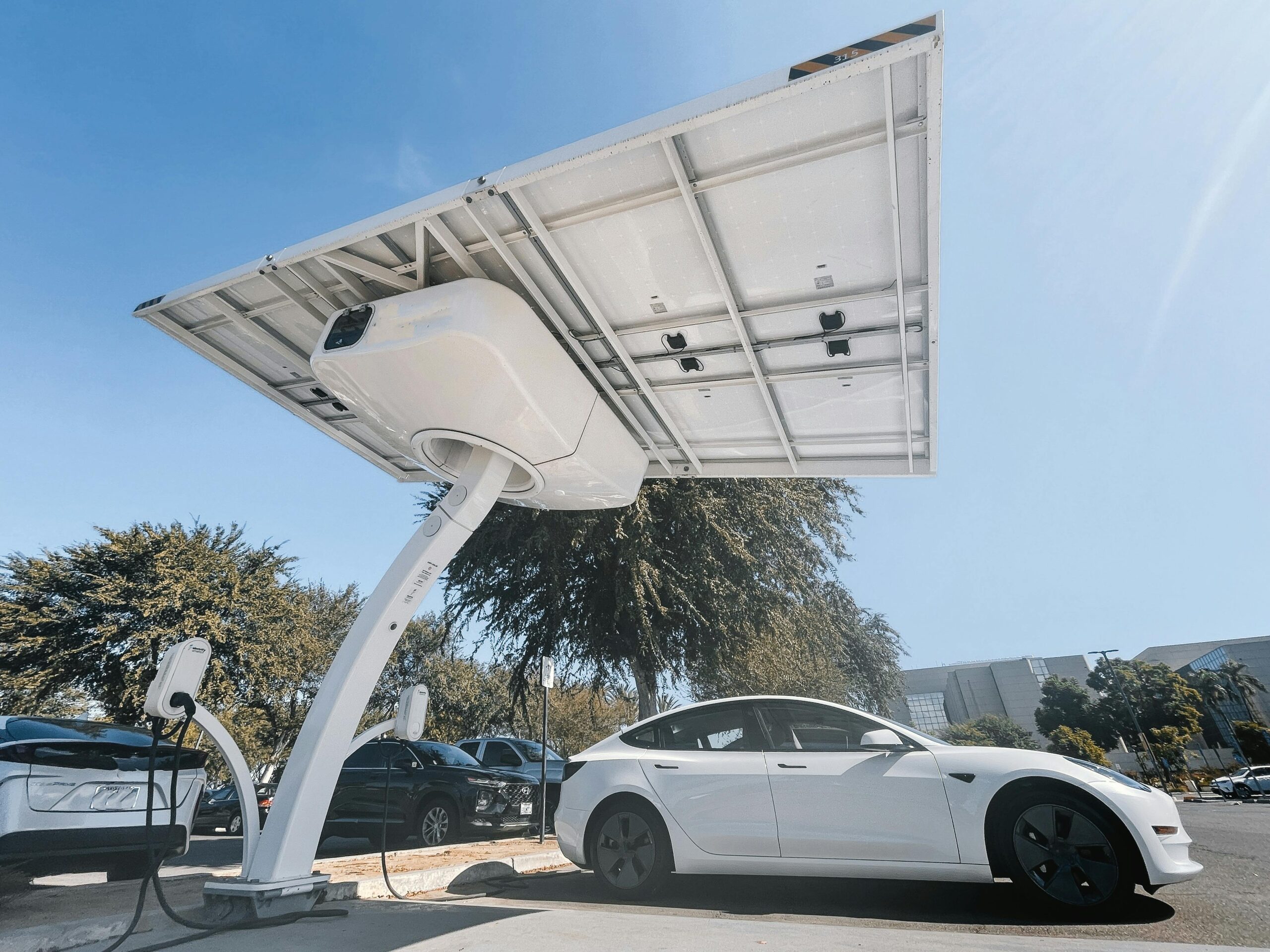
- Integration with renewable energy grids for storing solar and wind power
This extends battery life, delays recycling needs, and supports the clean energy transition.
Technological Innovations
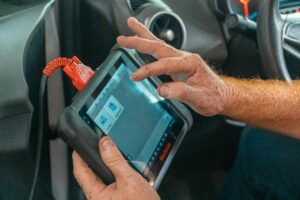
- AI-driven battery health diagnostics: Assess the residual capacity of used batteries.
- Battery passports: Track the history, composition, and lifecycle stage of individual battery packs.
- Automation in dismantling and sorting: Reduces labor costs and increases efficiency at recycling facilities.
Future Outlook
By 2030, Japan expects EV battery recycling to become a multi-billion dollar industry. As demand for EVs rises, so will the need for efficient battery lifecycle management. Japanese automakers and tech firms are positioning the country as a global leader in sustainable EV ecosystems.