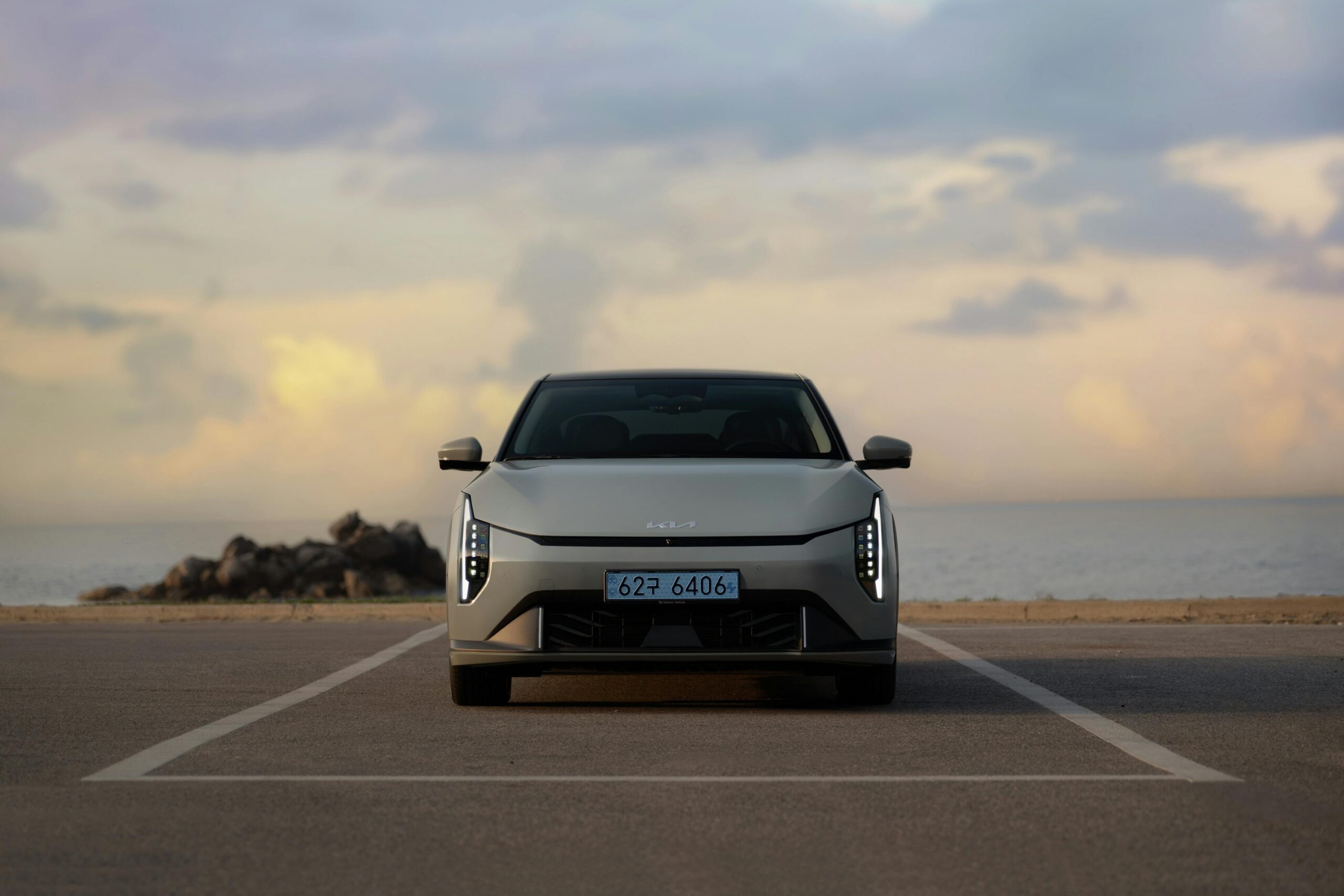
As electric vehicles (EVs) become more mainstream in Japan, one issue gaining attention is EV fire safety. While EVs are generally considered safe, their high-voltage batteries pose unique challenges when it comes to fire risk, firefighting response, and post-accident management. With Japan pushing for increased EV adoption under its 2050 carbon neutrality target, ensuring fire safety is essential to protect users, first responders, and public trust.
Why EV Fires Are Different
EV fires typically originate from the lithium-ion battery pack, and differ from traditional gasoline fires in several ways:
- Thermal runaway: Once one cell overheats, it can trigger a chain reaction across the pack.
- Reignition risks: Even after being extinguished, batteries may reignite hours or days later.
- High voltage hazards: Damaged cables or battery units pose electrocution risks to responders.
These characteristics require new safety standards, training, and equipment.
Japan’s Regulatory and Industry Response
- METI Guidelines: Japan’s Ministry of Economy, Trade and Industry (METI) has published safety guidelines for EV batteries, covering materials, casing, and thermal management.
- Firefighting Training Programs:
- In partnership with automakers, local fire departments now receive training in EV-specific fire response.
- Tokyo Fire Department has introduced digital simulations for fire crew readiness.
- Battery Safety Technologies:
- Toyota and Panasonic are developing solid-state batteries, which are less flammable.
- Honda uses advanced battery management systems to monitor temperature and current.
- Incident Reporting Systems:
- National databases now track EV fire cases to understand patterns and improve response protocols.
Innovations in EV Fire Prevention
- Advanced Cooling Systems: Modern EVs include heat management systems to prevent overheating.
- Crash Sensors: Automatically disconnect the battery during a collision to prevent short circuits.
- Battery Packaging: Reinforced casings and fireproof barriers are standard in newer models.
- Post-Crash Monitoring: Some EVs continue monitoring battery health after accidents and notify users of risks.
Consumer and Market Impact
- Public Perception: Concerns over EV fires may delay adoption unless risks are clearly addressed.
- Insurance Industry: Premiums and policies are adapting to cover EV-specific incidents.
- Used EV Market: Accurate fire risk assessments are essential for resale confidence.
Future Outlook
As battery tech improves and solid-state batteries come online, fire risks will reduce—but cannot be eliminated entirely. Japan’s holistic approach to EV safety, combining regulation, education, and innovation, positions it as a global model.
For EV adoption to scale confidently, safety needs to evolve alongside speed and sustainability.