As the automobile industry embraces digitalization, digital twin technology is rapidly emerging as a game-changer for car design, production, and maintenance. In Japan, where precision engineering meets cutting-edge innovation, the integration of digital twins is enabling automakers to simulate, test, and optimize vehicles like never before—accelerating time-to-market and enhancing vehicle quality.
What is a Digital Twin?
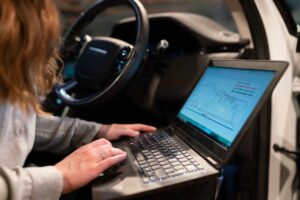
A digital twin is a real-time virtual replica of a physical object, system, or process. In automotive applications, digital twins can replicate entire vehicles or individual components—mirroring everything from engine behavior to aerodynamic flow. These models are continuously updated using real-world data from sensors, IoT devices, and simulation feedback.
Applications in Automotive Design and Manufacturing
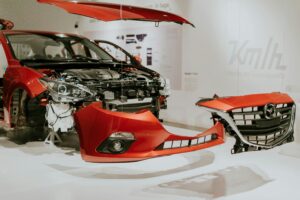
- Prototyping: Engineers can simulate crash tests, stress loads, and material durability without building physical prototypes
- Predictive Maintenance: Data from vehicles on the road feeds into their digital twin to forecast potential failures
- Production Line Optimization: Factories use digital twins of machinery and workflows to maximize efficiency and reduce downtime
- Driver Behavior Analysis: Testing digital driver models helps refine control systems and user interfaces
Adoption in Japan
- Nissan has integrated digital twin systems into its Yokohama plant to simulate engine assembly and reduce production errors
- Toyota uses digital twins for testing hydrogen fuel cell systems under varying conditions
- Mitsubishi Electric is developing AI-powered digital twin platforms to optimize factory operations
- Startups in Japan’s smart manufacturing ecosystem are also leveraging this technology to support Tier 1 suppliers
Benefits for the Industry
- Shorter development cycles: Automakers can bring new models to market faster
- Cost efficiency: Reduces reliance on expensive physical prototypes and real-world testing
- Improved quality: Continuous feedback leads to real-time design refinements
- Sustainability: Less waste and energy usage in product development and factory operation
Career Implications in Mobility
- Rising demand for simulation engineers and AI-integrated CAD specialists
- Need for data scientists who can model real-world variables in digital environments
- Growth of virtual testing engineers with knowledge of automotive dynamics
- New positions in digital factory management and software-defined vehicle development
Digital twin technology is not only reshaping how cars are built but also redefining roles across the mobility workforce. As Japan’s automotive industry pursues smarter, cleaner, and more connected mobility, digital twins are becoming an essential bridge between the physical and digital realms.