As electric vehicles (EVs) become a central focus of the automotive industry, Japan is making strategic moves to enhance its EV charging infrastructure. While automakers like Toyota, Nissan, and Honda are innovating with next-generation battery technologies, the expansion of charging networks across the country is equally critical. For Japan’s mobility sector, the development of a robust charging ecosystem is not just about convenience—it’s about securing a sustainable future and maintaining competitiveness in a rapidly electrifying global market.
Why the Charging Network Matters
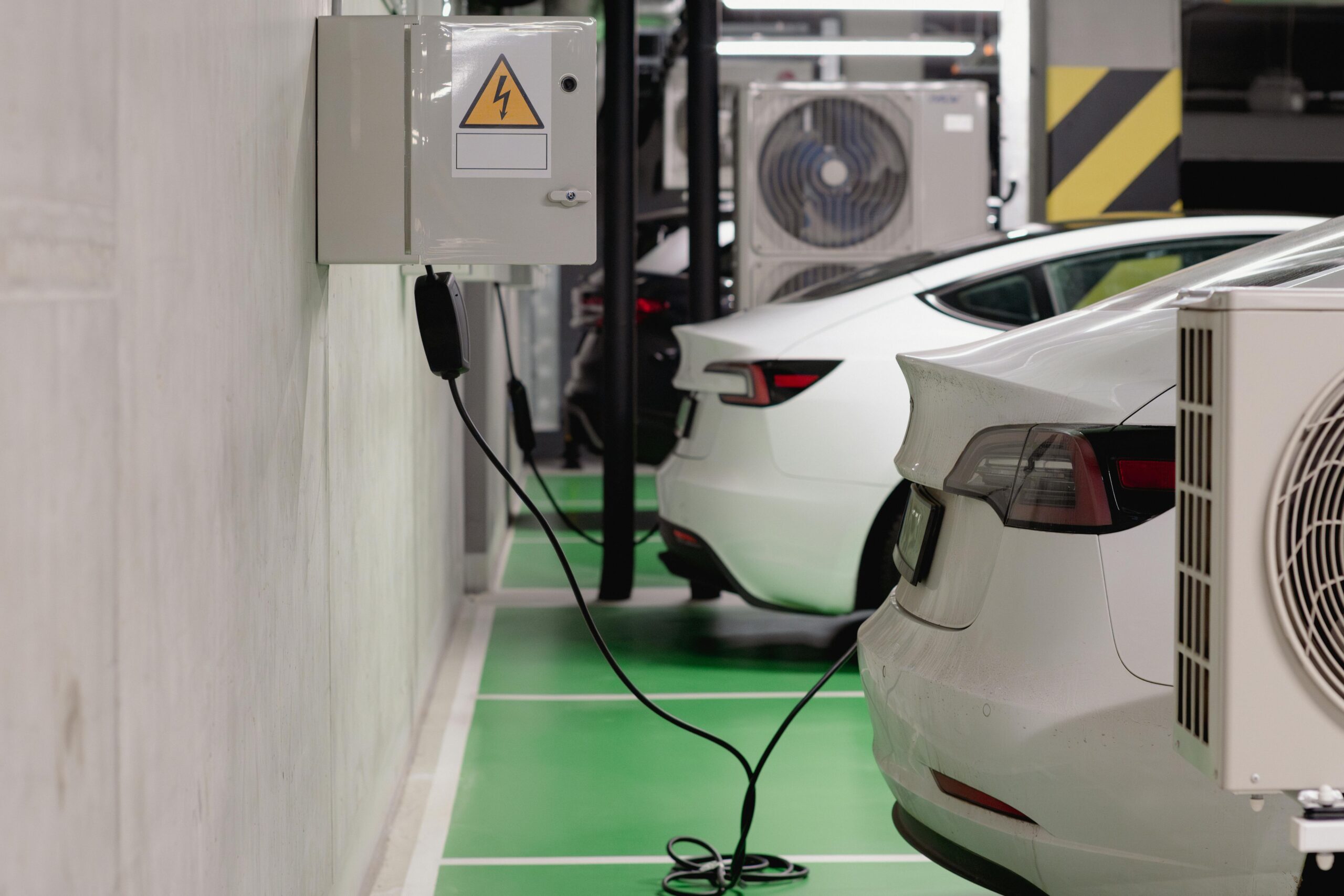
The success of EV adoption depends on charging availability and speed. In Japan, a nation known for its technological precision and efficiency, the challenge has been balancing high urban density with limited space for charging stations. Companies like ENEOS, TEPCO, and various startups are addressing this challenge by integrating charging points into convenience stores, commercial complexes, and parking facilities. Fast-charging solutions and ultra-compact stations are now becoming common, reducing charging times to under 30 minutes.
Implications for the Automotive and IT Sectors
A well-developed charging network is more than just a utility—it’s an ecosystem. IT-driven solutions such as smart grid integration, data-driven energy management, and AI-based predictive analytics are transforming how energy is distributed and consumed. This digital layer opens new roles for IT professionals in the automotive industry, from software developers and data scientists to infrastructure project managers.
Recruitment and Industry Trends
For mobility recruitment companies like Linchpin Consulting, these changes present significant opportunities. Demand for bilingual professionals who understand both technical and operational aspects of EV infrastructure is increasing. Companies are seeking experts who can manage cross-border technology partnerships, negotiate with energy providers, and oversee software-integrated charging systems.
Future Outlook
Japan aims to increase EV sales significantly by 2030, and a nationwide, interconnected charging network is essential to meet this goal. As the country moves towards decarbonization, the EV charging sector is set to become a hub of innovation, collaboration, and career opportunities. Professionals who can navigate both automotive engineering and IT systems will be in high demand, shaping the future of Japan’s mobility landscape.