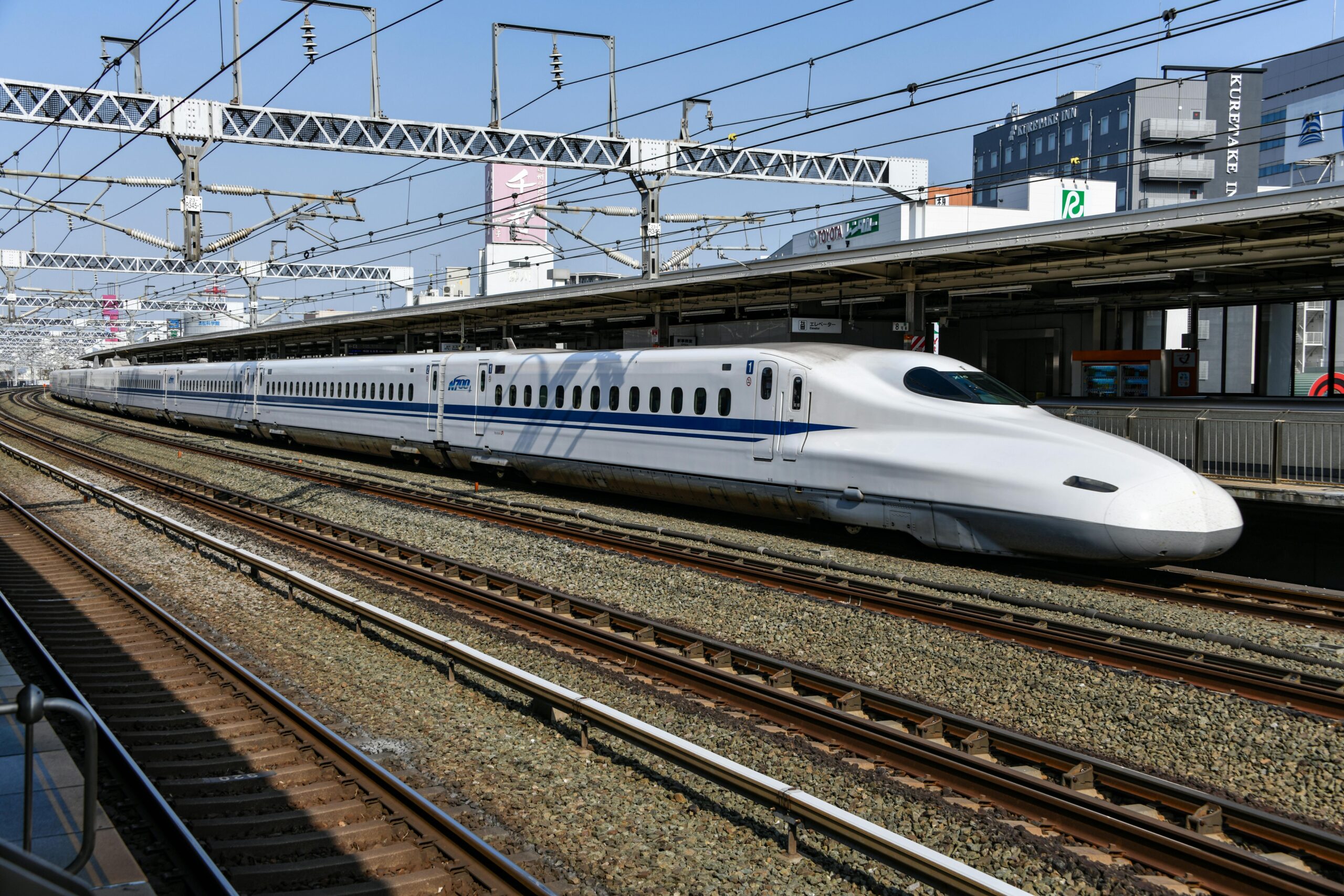
Japan’s Smart Train Revolution: Top Career Opportunities in Digital Rail Systems for 2025
Explore Japan’s smart train transformation. Learn about AI-driven rail innovation, top employers, and the most in-demand jobs for bilingual professionals in Japan’s digital mobility sector.
Japan’s railway system has long been the pride of its transportation infrastructure. But in 2025, a new revolution is on track—powered by AI, IoT, automation, and sustainable tech. From autonomous train operations to predictive maintenance platforms, the country is investing in next-generation rail mobility to improve safety, efficiency, and environmental performance.
And with this transformation comes a wave of career opportunities for bilingual engineers, planners, data analysts, and UX designers. The future of trains in Japan is not just faster—it’s smarter, greener, and hiring.
Why Smart Rail Matters for Japan
As Japan prepares for population decline and aging infrastructure, the digitalization of rail services has become a national priority. Smart trains are helping rail operators reduce costs, increase safety, and maintain service standards even in rural or low-demand areas.
Key objectives of Japan’s smart train initiative:
- Minimize accidents through automated control and obstacle detection
- Improve punctuality with AI-based traffic flow optimization
- Cut maintenance costs using predictive analytics
- Reduce CO₂ emissions with regenerative braking and hybrid systems
Leading Companies Driving Rail Innovation
| Company | Innovation Focus | Location |
|---|---|---|
| JR East | Autonomous train trials, predictive maintenance | Tokyo / Kanto |
| Hitachi Rail | AI-integrated signaling systems, onboard software | Ibaraki / UK |
| Tokyo Metro | Smart platform sensors, AI dispatch control | Tokyo |
| Alstom Japan | Smart rail infrastructure, HMI systems | Osaka / Tokyo |
These companies are actively recruiting talent with expertise in digital mobility, embedded systems, cloud infrastructure, and bilingual project coordination.
Top In-Demand Careers in Smart Rail
| Job Title | Required Skills |
|---|---|
| Rail Systems Engineer | Embedded control, ROS, automation, sensor integration |
| Data Analyst (Rail Operations) | Python, SQL, AI model tuning, real-time anomaly detection |
| UX Designer (Passenger Interface) | Human-centered design, Japanese UX standards, MaaS platform design |
| Sustainability Project Manager | Carbon reporting, lifecycle analysis, infrastructure retrofitting |
| Safety Systems Auditor | ISO/IEC standards, risk analysis, bilingual reporting |
Bilingual professionals are especially valuable in project roles involving multinational vendors, regulatory reporting, and international technology transfers.
Smart Trains and the Future of Urban Mobility
Japan’s push for smart mobility goes far beyond the railcar. Smart trains are part of an integrated Mobility-as-a-Service (MaaS) strategy that links rail, bus, taxi, and micro-mobility into a seamless user experience.
Key integrations underway:
- Digital QR-based train tickets via mobile
- App-connected passenger information systems
- Dynamic pricing based on AI demand forecasts
- Voice-guided navigation for tourists and seniors
FAQ
Q1: Are autonomous trains running in Japan today?
A1: Yes. JR East began trial operations of driverless trains in Tokyo in 2023 with expansion planned for 2025.
Q2: Do I need railway experience to apply for smart rail jobs?
A2: Not always. Skills in AI, data analysis, cybersecurity, or embedded software are highly transferable.
Q3: Which cities are leading smart rail development?
A3: Tokyo, Osaka, Nagoya, and Fukuoka are all investing in smart station infrastructure and autonomous train pilots.
Japan’s digital rail transformation is not only revolutionizing public transportation but also creating new, exciting career paths. For bilingual professionals in tech, design, or project management, the railway industry offers a stable, forward-thinking environment with national impact.
This is the perfect moment to ride the wave of change—and help build the next generation of rail mobility in Japan.