The Importance of Battery Management Systems
Electric vehicles (EVs) are transforming mobility, but their performance and safety ultimately depend on one critical component: the battery. At the heart of this system lies the Battery Management System (BMS), which monitors cell health, controls charging cycles, and ensures overall safety. In Japan, where automakers are investing heavily in EV development, semiconductors play a vital role in making BMS more efficient, reliable, and intelligent.
How Semiconductors Enable Smarter Batteries
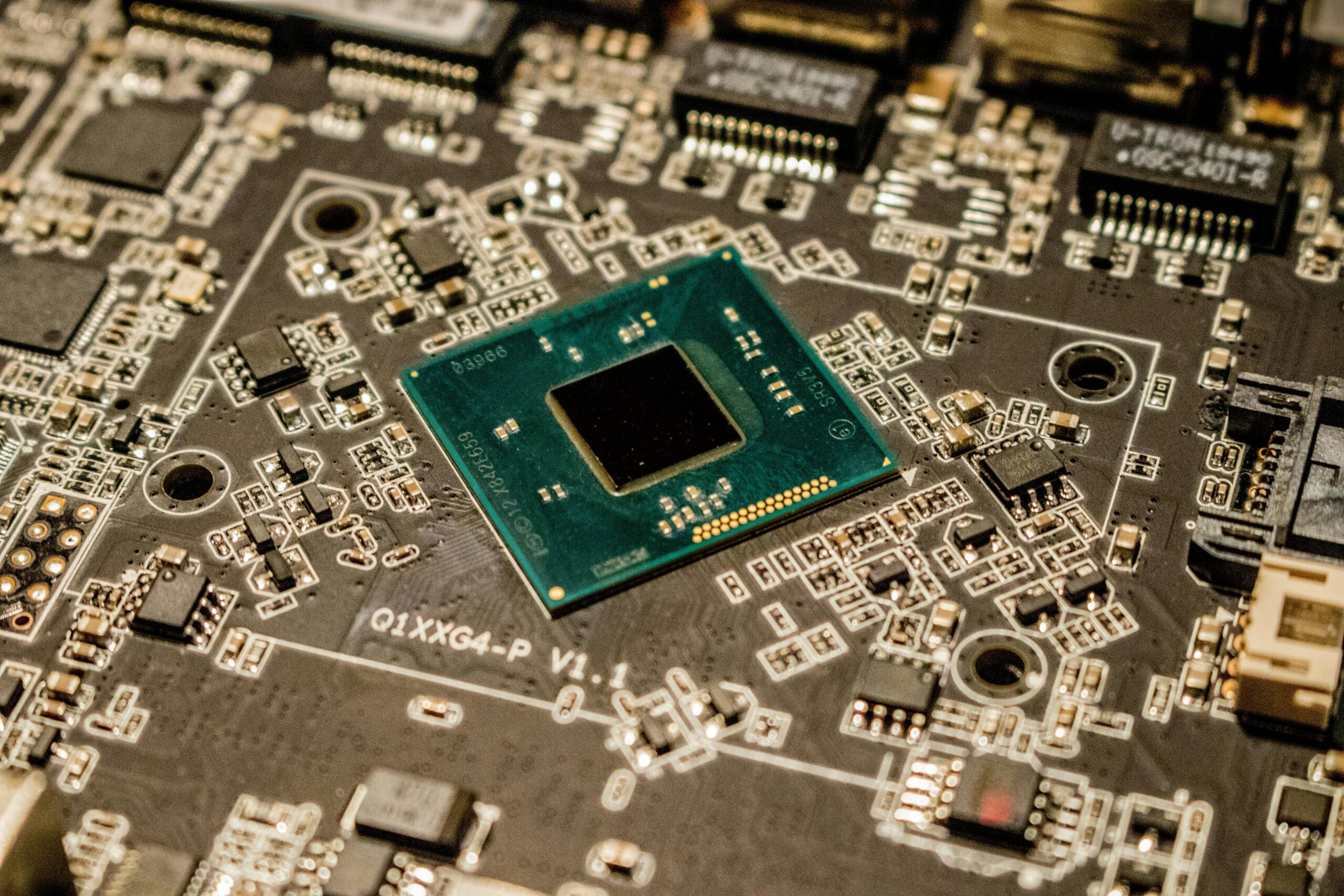
Modern BMS requires high-precision monitoring and fast communication between thousands of battery cells. Semiconductors such as microcontrollers, sensors, and power management integrated circuits (PMICs) provide this functionality. Advanced chips allow real-time tracking of voltage, current, and temperature, preventing issues like overcharging or overheating. With the rise of wide-bandgap semiconductors (SiC and GaN), Japanese manufacturers can also reduce power losses and improve charging speed, extending the overall lifespan of EV batteries.
Japan’s Push for Next-Generation EV Chips
Japanese companies are accelerating research and development of specialized chips tailored for EVs. Leading automakers are partnering with domestic and international semiconductor firms to secure supply chains and avoid the shortages that disrupted the industry in recent years. The focus is not only on performance but also on miniaturization, energy efficiency, and cybersecurity, ensuring that BMS systems can handle the increasing complexity of connected EVs.
Career Opportunities for Bilingual Professionals
As semiconductor integration in EVs expands, demand is rising for engineers skilled in embedded software, power electronics, and semiconductor design. Bilingual talent is particularly sought after to coordinate between Japanese manufacturers and global suppliers. Professionals with expertise in chip verification, BMS algorithms, and supply chain risk management are finding new opportunities in Japan’s mobility sector. This makes the EV semiconductor field a promising area for career development at the intersection of automotive and IT.
The Road Ahead
By 2030, Japan’s EV market will be defined not just by the cars themselves, but by the advanced chips inside them. Smarter semiconductors will enable faster charging, longer driving ranges, and safer battery systems. Companies that embrace innovation in semiconductor-based BMS will shape the next generation of Japanese mobility, while skilled professionals will play a central role in this technological transformation.