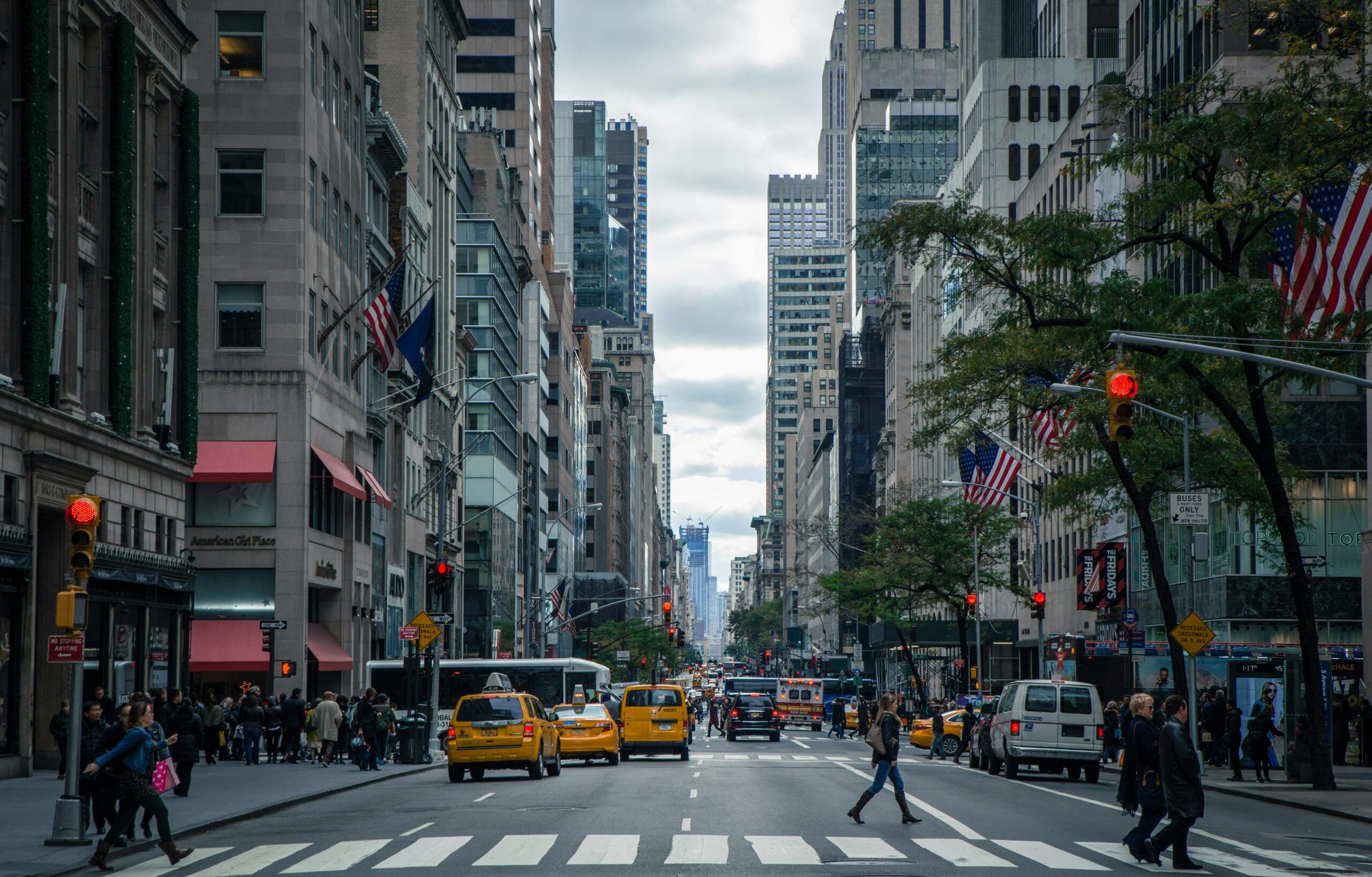
In the heart of Japan’s urban innovation push, smart traffic lights are emerging as a key technology to reduce congestion, improve safety, and enhance the efficiency of transportation systems. By leveraging artificial intelligence (AI), Internet of Things (IoT) sensors, and 5G networks, these intelligent signal systems are transforming how people and vehicles move through crowded cities.
What Are Smart Traffic Lights?
Smart traffic lights use real-time data from various sources to optimize signal timing. They adjust in response to:
- Traffic flow and vehicle density
- Pedestrian movement and crosswalk demand
- Emergency vehicles and public transport schedules
- Weather and road conditions
These systems rely on connected cameras, road-embedded sensors, and centralized AI algorithms to reduce idle times and keep traffic flowing efficiently.
Why Japan Needs Smart Signals
- Urban Congestion: Tokyo, Osaka, and Nagoya experience chronic traffic congestion, especially during peak hours.
- Aging Population: Elderly pedestrians need safer, longer crossing times tailored to their pace.
- Public Transit Integration: Synchronizing traffic signals with buses and trains ensures punctual service.
- Carbon Emissions: Reducing stop-and-go traffic helps lower urban emissions.
Leading Cities and Projects
- Kawasaki City: Partnered with Panasonic and NTT Data to deploy AI-driven traffic light systems at busy intersections.
- Fukuoka Smart East Project: Uses real-time data to prioritize public buses and emergency vehicles.
- Tokyo 5G Testbed: Trials connected traffic lights using 5G to manage high-density pedestrian zones.
- Toyota Woven City: Japan’s experimental smart city plans fully automated traffic management with autonomous vehicle integration.
Technology Behind the System
- Edge AI Processing: Enables instant decision-making at the local intersection level.
- Vehicle-to-Infrastructure (V2I): Vehicles communicate directly with traffic lights for optimal flow.
- Environmental Sensors: Detect rain, fog, or snow to adjust traffic timing and warnings.
- Pedestrian Recognition: Cameras identify people waiting at crosswalks and dynamically adjust signal duration.
Benefits for Drivers and Cities
- Reduced Commute Time: Shorter wait times and fewer stops
- Fewer Accidents: Improved pedestrian safety and better signal visibility
- Lower Fuel Costs: Less idling means lower fuel use and emissions
- Scalable Networks: Modular systems can expand to new areas easily
Challenges
- Infrastructure Investment: Requires upgrades to legacy traffic systems
- Data Privacy: Concerns about facial and license plate recognition
- Inter-agency Coordination: Needs cooperation between traffic departments, telecoms, and municipalities
The Road Ahead
With Japan’s ambitions under Society 5.0, smart traffic lights will become integral to connected mobility. As urban populations grow and driverless vehicles enter the roads, intelligent traffic control will ensure that transportation networks remain efficient, inclusive, and safe.