The automotive industry is undergoing significant global transformation, with electrification at the forefront of this change. In Japan, a country with a rich automotive heritage and technological innovation, the shift towards more sustainable transportation solutions has created a dynamic market for both electric vehicles (EVs) and hybrid cars. As mobility recruitment specialists working with Japan’s leading automotive companies, we’ve observed firsthand how this evolution creates exciting career opportunities for bilingual professionals.
In this article, we’ll explore the current state of EVs and hybrid vehicles in Japan, examine the unique aspects of each technology, and discuss the implications for professionals looking to advance their careers in this rapidly evolving sector.
Japan’s Unique Position in the EV vs. Hybrid Landscape
Historical Context and Market Trends
Japan has long been a pioneer in hybrid technology, with Toyota introducing the Prius in 1997, revolutionizing the global automotive market. This early investment in hybrid systems has given Japanese manufacturers a significant competitive advantage, with companies like Toyota, Honda, and Nissan developing sophisticated hybrid powertrains that have become industry benchmarks.
However, the global push towards full electrification has created new dynamics in the Japanese market. While Japanese automakers initially focused on perfecting hybrid technology, competitors in Europe, China, and the United States aggressively pursued battery electric vehicle (BEV) development. This has led to an interesting inflection point in Japan’s automotive strategy, with manufacturers now balancing their established hybrid expertise with accelerated EV development programs.
Infrastructure Considerations
Japan’s dense urban environments present unique challenges and opportunities for both EV and hybrid adoption:
- Charging Infrastructure: Japan has been steadily expanding its charging network, with over 30,000 public charging stations nationwide. However, limited parking space in urban areas creates challenges for widespread charging infrastructure deployment.
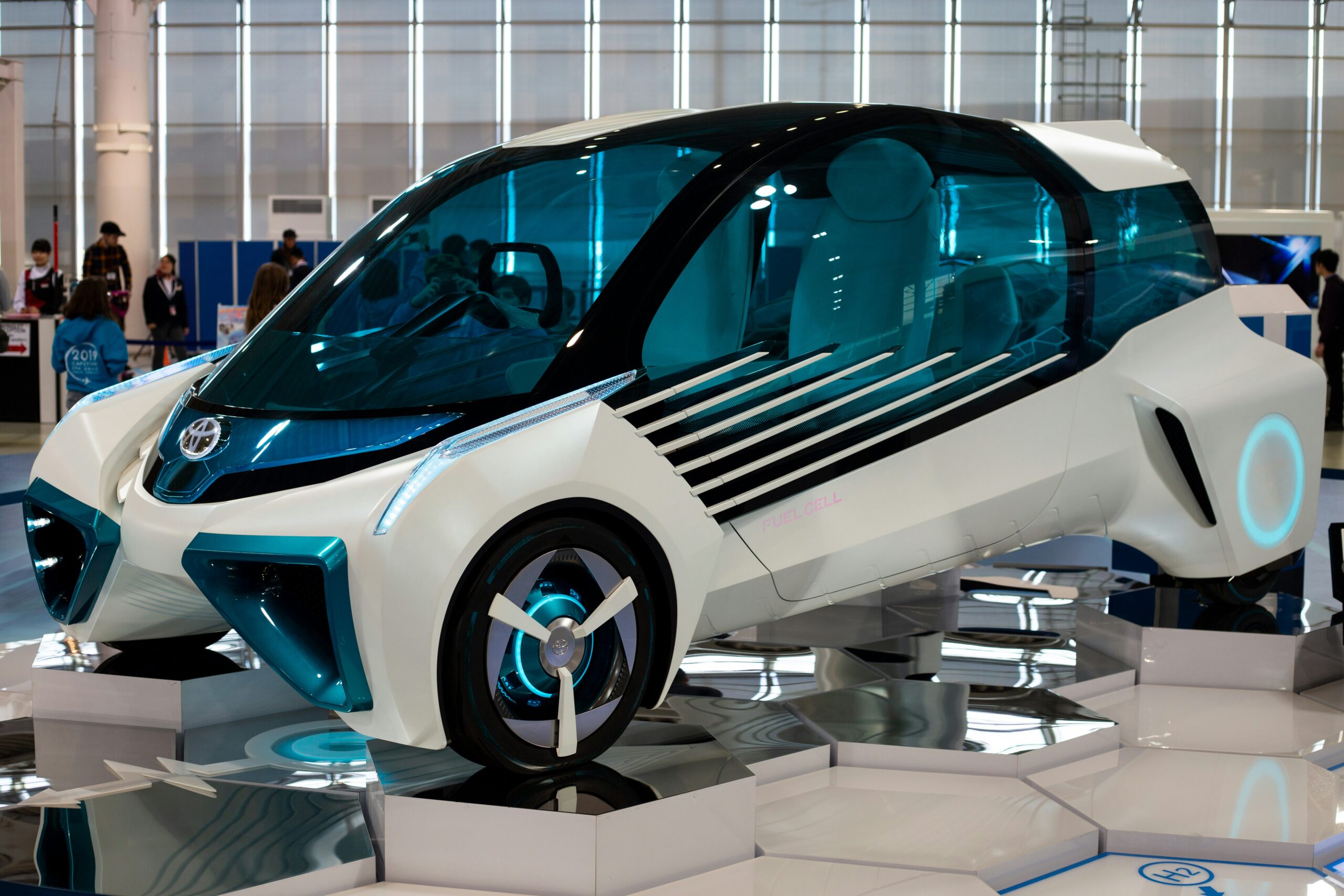
- Hydrogen Network: Japan has also invested significantly in hydrogen infrastructure to support fuel cell vehicles, offering another alternative to traditional combustion engines.
- Urban Driving Patterns: The stop-and-go traffic common in Japanese cities makes hybrid vehicles particularly efficient, as they excel in recovering energy through regenerative braking.
Technical Comparison: EVs vs. Hybrids
Electric Vehicles (EVs)
Advantages:
- Zero tailpipe emissions, supporting Japan’s carbon neutrality goals
- Lower operating costs with fewer moving parts requiring maintenance
- Superior torque delivery providing instant acceleration
- Potential for vehicle-to-grid integration in Japan’s advanced energy systems
Challenges:
- Range anxiety, particularly for longer intercity travel in Japan
- Higher initial purchase cost compared to equivalent hybrid models
- Battery production and recycling considerations
- Charging time limitations for consumers without home charging options
Hybrid Vehicles
Advantages:
- Flexibility with no need for charging infrastructure
- Extended range compared to pure EVs
- Lower initial purchase cost than comparable EVs
- Proven reliability with decades of refinement in the Japanese market
Challenges:
- Still reliant on fossil fuels, limiting environmental benefits
- More complex mechanical systems requiring specialized maintenance
- Transitional technology that may face obsolescence as EV technology advances
- Less government incentives compared to zero-emission vehicles
Career Opportunities in Japan’s Evolving Automotive Sector
Emerging Roles in EV Development
The acceleration of EV programs at Japanese automakers has created demand for specialized talent in:
Software Development: Engineers capable of creating and maintaining the complex software systems that manage EV operations
Battery Technology: Engineers with expertise in battery chemistry, thermal management, and energy density optimization
Electric Powertrain Development: Specialists in electric motor design, power electronics, and control systems
Charging Infrastructure: Professionals who can develop and implement charging solutions tailored to Japan’s unique urban environments
Hybrid System Expertise
Despite the EV push, hybrid technology remains critically important in Japan, creating opportunities for:
- Powertrain Integration Specialists: Engineers who can optimize the interaction between combustion engines and electric motors
- Energy Management Systems: Developers who create algorithms to maximize efficiency across different driving conditions
- Manufacturing Engineers: Professionals who can streamline the production of complex hybrid systems
- Calibration Specialists: Engineers who fine-tune hybrid systems for optimal performance and efficiency
Cross-Functional Roles
The most sought-after professionals in Japan’s automotive sector are those who can bridge multiple disciplines:
- Project Managers: Bilingual professionals who can coordinate complex vehicle development programs across international teams
- Systems Engineers: Specialists who understand the integration challenges between traditional automotive systems and new electrification technologies
- Regulatory Compliance Experts: Professionals who can navigate Japan’s evolving emissions and safety standards for electrified vehicles
- Technical Sales Specialists: Bilingual professionals who can communicate complex technical advantages to potential customers and partners
The Japanese Workplace Culture in Automotive Technology
For international professionals considering career opportunities in Japan’s automotive sector, understanding the workplace culture is essential:
- Consensus-Based Decision Making: Japanese automotive companies often employ nemawashi (consensus-building) processes, which can be different from Western decision-making approaches
- Long-Term Planning: Japanese manufacturers typically take a longer-term view of technology development compared to some Western counterparts
- Attention to Detail: The Japanese automotive industry is renowned for its meticulous approach to quality and precision
- Respect for Hierarchy: Understanding organizational structures and appropriate communication channels is important for success
Future Outlook: Where Japan’s Automotive Industry is Heading
Convergence of Technologies
We’re observing a trend toward technological convergence, with Japanese manufacturers developing:
- Advanced plug-in hybrid systems that offer extended electric-only range
- Flexible vehicle architectures that can accommodate multiple powertrain options
- Hybrid systems optimized for specific use cases (urban delivery, long-distance travel, etc.)
- Integration of autonomous driving capabilities with electrified powertrains
Policy Influences
Japan’s government policies are increasingly shaping the EV vs. hybrid landscape:
- Carbon neutrality targets driving stricter emissions regulations
- Incentives for zero-emission vehicle adoption
- Investment in charging and hydrogen infrastructure
- Support for battery production and recycling initiatives
The debate between EVs and hybrid vehicles in Japan represents more than just a technological choice—it reflects a broader transition in mobility that is creating unprecedented opportunities for skilled professionals. As Japan’s automotive giants navigate this complex landscape, they require talented individuals who can bring fresh perspectives while respecting the industry’s rich heritage.
For bilingual professionals with expertise in automotive technology, software development, project management, or related fields, Japan offers a unique environment to contribute to the future of mobility. Whether your expertise lies in EV battery systems, hybrid powertrain optimization, or the software that ties these complex systems together, your skills are in high demand.
At Linchpin Consulting, we specialize in connecting international talent with Japan’s leading automotive companies. If you’re interested in exploring opportunities in this dynamic sector, we invite you to reach out to our team of specialized recruitment consultants who understand both the technical requirements and cultural nuances of Japan’s automotive industry.
The future of mobility is being shaped today, and bilingual professionals have a unique opportunity to be at the forefront of this transformation in one of the world’s most innovative automotive markets.