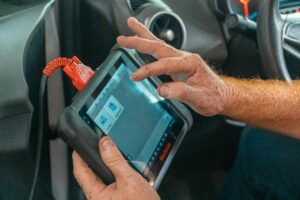
As vehicles evolve into fully connected digital platforms, cybersecurity has become one of the most urgent challenges for Japan’s automotive industry. Modern cars now contain dozens of electronic control units (ECUs), cloud-connected infotainment systems, advanced driver-assistance systems (ADAS), and vehicle-to-everything (V2X) communication modules. This connectivity introduces new opportunities—but also new vulnerabilities.
With cyberattacks on mobility systems rising worldwide, Japanese automakers, suppliers, and mobility service providers are now treating cybersecurity as a core engineering domain. As a result, demand for cybersecurity talent is surging across the industry.
Why Cybersecurity Is Now a Priority for Japanese OEMs
In Japan, the shift toward software-defined vehicles (SDVs) has accelerated the adoption of over-the-air (OTA) updates, cloud telemetry, digital keys, and fleet-monitoring systems. These functions significantly improve user experience and operational efficiency but also require stronger security governance.
International security regulations such as UNECE WP.29 have further increased pressure on Japanese automakers to implement robust cybersecurity management systems throughout the vehicle lifecycle. Companies must now demonstrate security capabilities not only at the vehicle level but across supply chains, cloud platforms, and mobility services.
The Expanding Threat Landscape
Cyberattacks on vehicles and mobility infrastructure can take many forms:
- Remote unlocking or hijacking of vehicle controls
- Manipulation of ADAS or camera systems
- GPS spoofing
- Malware injected via infotainment or OTA channels
- Attacks on EV charging infrastructure
- Breaches in cloud-based fleet management systems
As vehicles become more connected, the number of attack surfaces increases. This makes cybersecurity a continuous requirement—not a one-time development step.
Rising Demand for Cybersecurity Professionals
Japan faces a significant shortage of mobility cybersecurity specialists, especially bilingual engineers who can work with global regulatory frameworks and international suppliers. Companies are recruiting aggressively for roles including:
- Automotive cybersecurity engineers (ECUs, CAN, Ethernet security)
- Vulnerability analysts & penetration testers
- Security operations centre (SOC) analysts for mobility fleets
- Cloud security engineers for connected car platforms
- Threat modelling & risk assessment specialists
- Secure OTA software engineers
- EV charging and infrastructure security engineers
These roles require a blend of automotive engineering, software security, and regulatory knowledge—making them some of the most competitive and high-value positions in the market.
Skills Most in Demand
Companies are prioritising candidates with experience in:
- Threat modelling (TARA) and risk assessment
- Secure coding for embedded systems
- Cryptography and key management
- Intrusion detection systems for vehicles
- CAN, CAN-FD, Automotive Ethernet
- Cloud security (AWS, Azure, GCP)
- Incident response and vulnerability management
- Compliance with WP.29, ISO/SAE 21434, and cybersecurity process design
As Japanese OEMs invest heavily in SDVs, CASE technologies, and shared mobility platforms, cybersecurity expertise is transitioning from a specialist field to a mainstream engineering requirement.
What This Means for Recruitment in Japan
For companies:
- Proactive hiring strategies are essential—waiting for internal upskilling is too slow.
- Partnerships with global cybersecurity organisations are increasing.
- Competition for talent will intensify across IT, finance, telecom, and mobility industries.
For candidates:
- Cybersecurity expertise unlocks cross-industry mobility and global career paths.
- Bilingual security talent is especially valuable for regulatory alignment.
- Even basic cybersecurity training significantly increases employability in mobility tech.
As vehicles continue to transform into cloud-connected mobility platforms, cybersecurity will shape the future of Japan’s automotive competitiveness. Those who invest in talent today will lead the next generation of safe, intelligent, and resilient mobility systems.