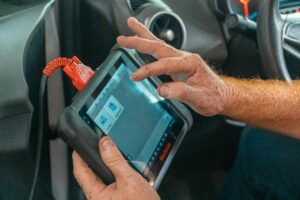
The automotive industry in Japan is entering a new era where vehicles are no longer just machines but connected digital ecosystems. Cloud computing has become one of the most influential technologies driving this transformation, providing the backbone for data integration, connectivity, and innovation.
Driving Connected Vehicles
Modern cars are increasingly equipped with sensors, IoT devices, and advanced infotainment systems. Cloud platforms enable real-time data transfer between vehicles, manufacturers, and service providers. This enhances navigation, predictive maintenance, and safety features while ensuring that drivers benefit from continuous software updates.
Accelerating Autonomous Vehicle Development
Autonomous driving relies on massive datasets collected from road testing and simulations. Cloud computing provides the scalable infrastructure needed to store, analyze, and process this data. By leveraging high-performance cloud environments, Japanese automakers and suppliers are reducing the time required to train AI models and improving the reliability of autonomous driving systems.
Enhancing Manufacturing and Supply Chains
Cloud adoption is not limited to vehicles themselves. Manufacturers are using cloud platforms to digitize their supply chains and optimize production processes. This includes predictive analytics for parts shortages, real-time collaboration across global factories, and streamlined logistics—all critical in a semiconductor-constrained environment.
Security and Compliance Considerations
As more data flows through the cloud, cybersecurity and regulatory compliance are paramount. Japanese automotive companies are investing in secure cloud architectures and working closely with cloud providers to ensure compliance with global data privacy standards. This effort is essential to maintaining consumer trust in connected mobility services.
Opportunities for Talent and Recruitment
The integration of cloud computing into the automotive sector creates demand for professionals skilled in cloud architecture, cybersecurity, and data analytics. Companies are increasingly seeking bilingual IT specialists who can bridge the gap between global cloud providers and Japan’s automotive ecosystem. For job seekers, this represents an opportunity to play a direct role in shaping the future of mobility.