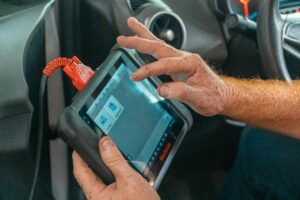
As vehicles become increasingly connected, the automotive industry is discovering that one of its most valuable resources is no longer metal, engines, or batteries—but data. Modern vehicles generate massive volumes of data from sensors, cameras, powertrains, infotainment systems, and driving behavior. In Japan, automakers and mobility providers are now building vehicle data platforms to collect, manage, and monetize this information, marking a major shift from traditional manufacturing toward data-driven mobility businesses.
This transformation is reshaping not only business models, but also engineering priorities and recruitment needs across Japan’s automotive ecosystem.
Why Vehicle Data Is Becoming a Strategic Asset
A single connected vehicle can generate terabytes of data over its lifetime. When aggregated across fleets, this data becomes a powerful tool for improving products, services, and revenue streams.
Japanese OEMs are leveraging vehicle data to:
- Improve vehicle quality and reliability
- Enable predictive maintenance and remote diagnostics
- Optimize battery performance and charging behavior
- Enhance ADAS and safety systems
- Support fleet management and mobility services
- Develop new digital products and subscriptions
As competition in EV hardware intensifies, data is becoming a key differentiator that extends value well beyond the point of sale.
Building Automotive Data Platforms
To unlock value from vehicle data, companies are investing in scalable, secure platforms capable of handling real-time and historical information.
Key components of these platforms include:
- In-vehicle data collection and edge processing
- Secure data transmission and cloud ingestion
- Large-scale data storage and analytics pipelines
- APIs for internal teams and external partners
- Compliance frameworks for privacy and data governance
Japanese automakers are increasingly aligning vehicle data architectures with enterprise IT systems, enabling faster innovation and cross-domain collaboration.
From Cost Center to Revenue Engine
Vehicle data platforms are enabling new monetization models across Japan’s mobility sector.
Examples include:
- Subscription-based features and software upgrades
- Usage-based insurance and fleet services
- Data-driven maintenance and warranty optimization
- Smart city and infrastructure collaboration
- Energy management services linked to EVs
Rather than relying solely on vehicle sales, automakers are beginning to generate recurring revenue throughout the vehicle lifecycle.
Recruitment Impact: New Digital Roles Emerge
As data becomes central to automotive strategy, hiring demand is shifting toward digital and platform-focused talent. Japanese companies are actively recruiting for roles such as:
- Automotive data platform engineers
- Cloud and backend engineers
- Data architects and data engineers
- Privacy and data governance specialists
- Platform product managers
- Cybersecurity engineers for data pipelines
- DevOps and site reliability engineers
Bilingual professionals who can bridge automotive engineering and cloud-based IT environments are especially valuable, as many platforms are developed in collaboration with global technology partners.
Why This Matters for Japan’s Mobility Future
Japan’s strength has always been high-quality manufacturing. Vehicle data platforms allow that strength to evolve into mobility intelligence, enabling continuous improvement, new services, and stronger customer relationships.
For companies, mastering data platforms is essential to remain competitive in a software-defined mobility world.
For candidates, vehicle data offers one of the fastest-growing and most future-proof career paths in the automotive industry.
For recruiters, this domain represents a critical intersection of automotive, IT, and digital business strategy.
The cars of the future will not only move people—they will generate insight, services, and value long after they leave the factory.