
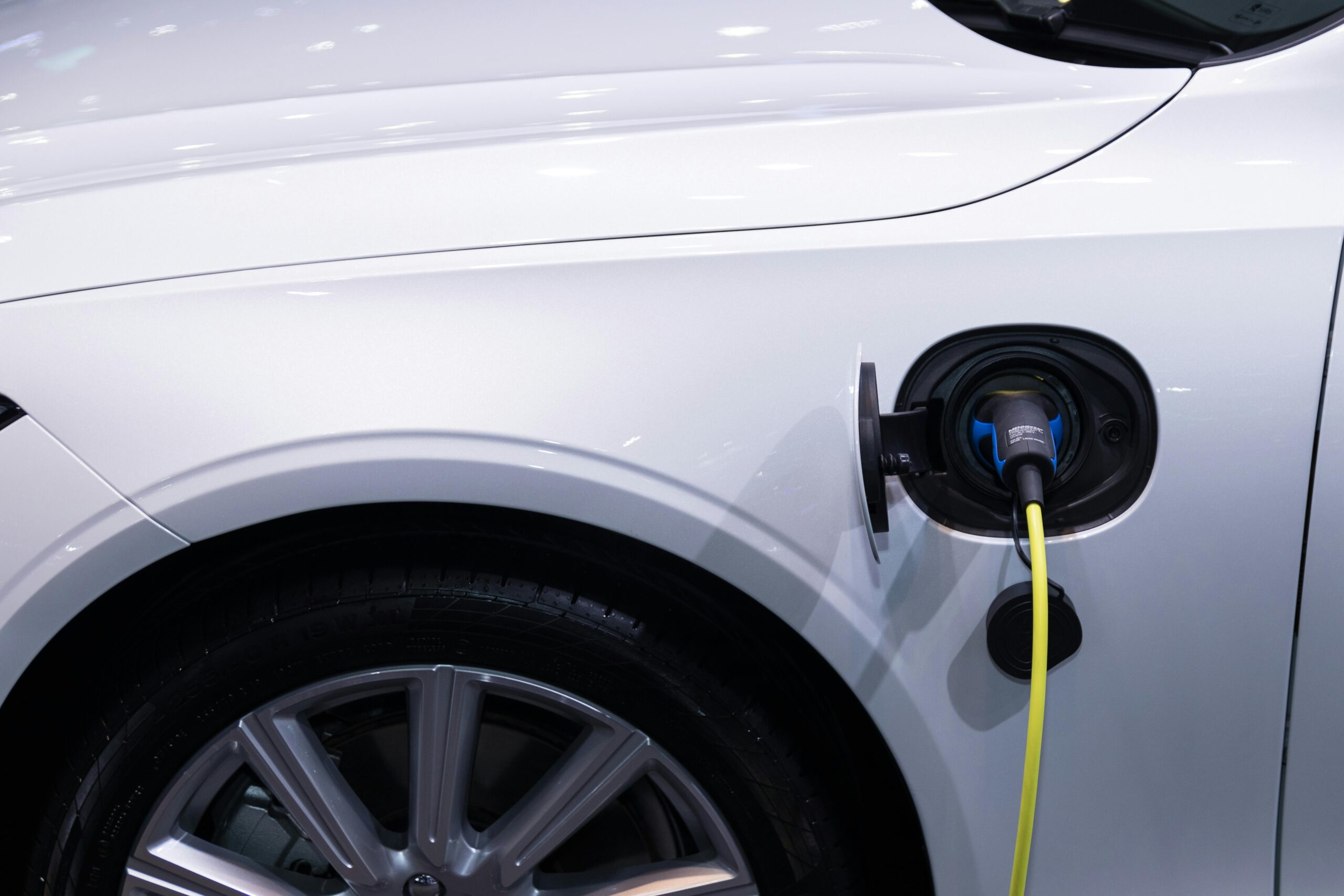
As Japan advances its clean energy goals and grapples with grid resilience challenges, Vehicle-to-Grid (V2G) technology is emerging as an ingenious solution. V2G enables electric vehicles (EVs) to not only draw electricity from the grid but also feed power back during peak demand or power outages—turning EVs into mobile energy storage units that benefit drivers, utilities, and communities alike.
What Is V2G?
V2G systems allow bidirectional energy flow between an EV battery and the electric grid using specialized bidirectional chargers and smart communication protocols. This permits vehicles to:
- Discharge electricity during peak periods to stabilize grid load
- Serve as emergency backup power during outages caused by earthquakes, typhoons, or blackouts
- Store excess renewable energy (e.g. solar) for later use
- Enable fleet owners to monetize vehicle idle time through aggregator models
Why Japan Is Investing in V2G
- Energy Security & Disaster Preparedness
Japan’s frequent natural disasters underscore the need for resilient power infrastructure. V2G-equipped EVs can provide critical backup to homes, evacuation centers, and hospitals in emergencies. - Peak Load Management and Grid Stability
With increasing electric loads from EV charging, Japan’s grid needs tools to smooth demand. V2G facilitates dynamic load buffering, reducing the need for costly peak-power plants. - Promoting Renewable Energy Integration
Surplus solar or wind power can be stored in EV batteries during off-peak hours and dispatched later, supporting net-zero ambitions.
Pilot Projects and Industry Alliances
- Tokyo Electric Power Company (TEPCO): Conducted field trials in Yokohama with Nissan Leaf vehicles to test grid discharge during demand peaks.
- Hokkaido EV Association: Tested fleet-based V2G for public buses and logistics vehicles in Sapporo.
- Mitsubishi Corporation and The University of Tokyo: Collaborated on a pilot in Kanto region that validated V2G for residential home backup use.
- Energy Aggregator Ventures: Startups like EV SmartCharge and eMochi Energy are building platforms that aggregate EV battery capacity to provide virtual power plants.
Key Benefits and Use Cases
- Commercial Fleets: Logistics companies and car-sharing operators can generate revenue by discharging batteries during grid peak demand.
- Residential Homes: V2G enables self-reliant energy supply during outages—especially for households with solar panels and home charging stations.
- Municipal Infrastructure: Government-managed fleets (e.g. taxis, buses) may serve as mobile power units during disaster response.
Challenges and Considerations
- Technological Standardization: Bluetooth, CHAdeMO, and CCS protocols each handle V2G differently; unified communication standards are still evolving.
- Battery Degradation: Repeated charge-discharge cycles may affect EV battery longevity unless managed carefully.
- Regulatory Framework: Existing tariff structures and grid interconnection rules are still adapting to V2G models.
- Consumer Awareness: Drivers need incentives, clear pricing, and easy-to-understand terms to participate.
The Road Ahead: What’s on the Horizon
As EV adoption accelerates and renewable energy shares grow, V2G is positioned to play a strategic role in Japan’s Society 5.0 vision. Future direction includes:
- Integration with home-energy management systems (HEMS)
- Smart charging that responds to real-time grid signals
- Participation in carbon credit and demand response markets
- Community microgrids where fleet vehicles support localized energy needs
In the long term, V2G could turn neighborhoods of EV owners into distributed energy communities capable of supporting both daily needs and emergency resilience.
