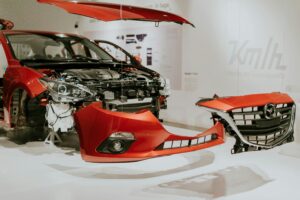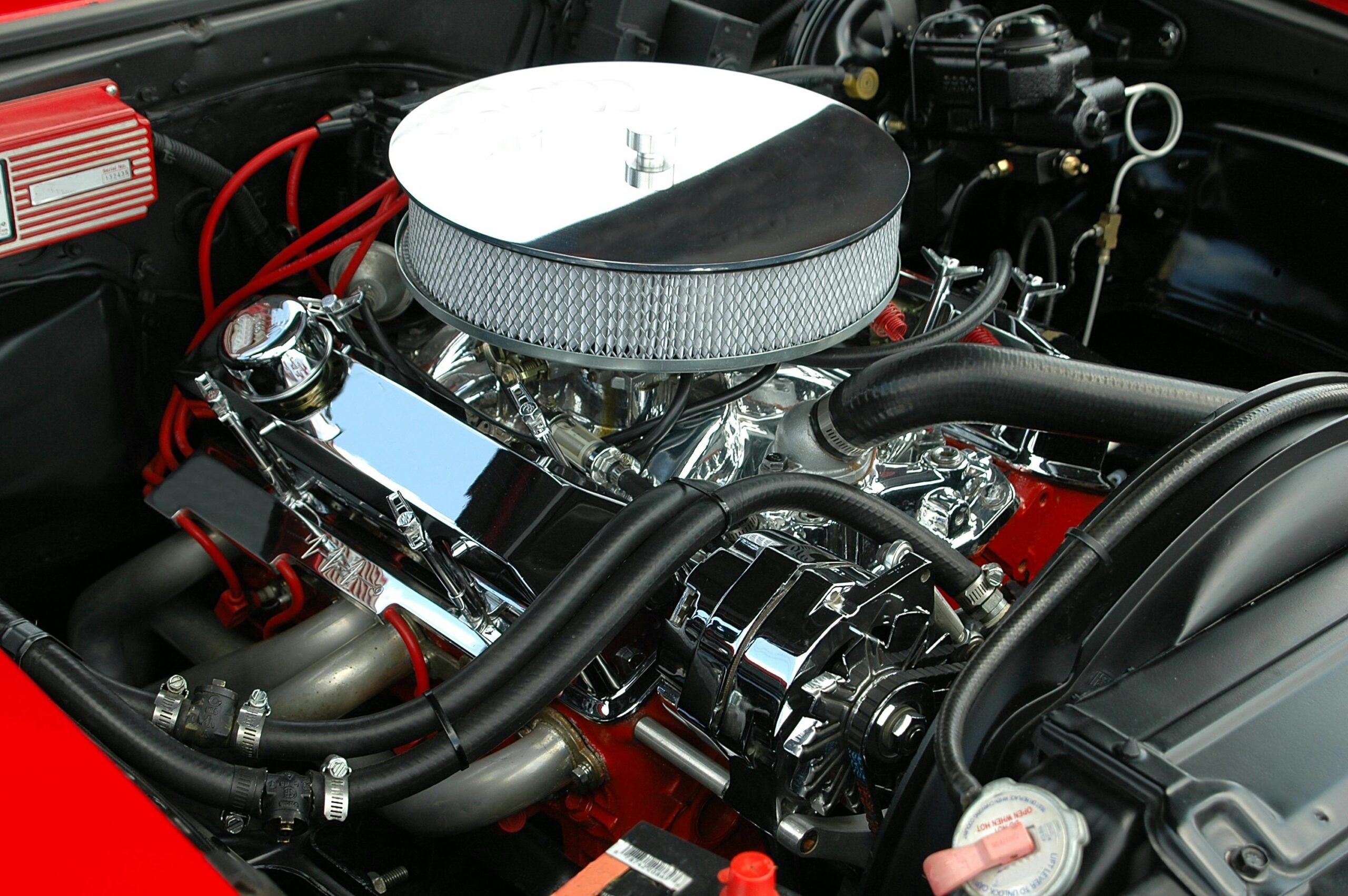
For decades, vehicles have been built around a growing number of Electronic Control Units (ECUs), each responsible for a specific function. Modern cars can contain more than 100 ECUs, connected by complex wiring harnesses that add weight, cost, and integration challenges. As vehicles become software-defined, electrified, and continuously connected, this architecture is reaching its limits.
Japan’s automotive industry is now accelerating a shift toward zonal electrical/electronic (E/E) architecture—a structural redesign that consolidates computing power and simplifies vehicle electronics. This transition is becoming a cornerstone of next-generation vehicle platforms and a major driver of new hiring needs.
Why the Traditional ECU Architecture Is No Longer Sustainable
The ECU-centric model creates increasing complexity:
- Heavy and costly wiring harnesses
- Difficult software integration and updates
- Long validation cycles across many controllers
- Limited scalability for new digital features
- Higher risk of faults and inconsistencies
As SDVs rely on frequent OTA updates and centralized software logic, these issues directly impact development speed and vehicle reliability.
What Is Zonal Architecture?
Zonal E/E architecture reorganizes vehicle electronics around physical zones rather than individual functions. Instead of dozens of ECUs, vehicles use:
- Zonal controllers managing sensors and actuators within a specific area
- High-performance central computers handling vehicle-wide logic
- High-speed Ethernet networks replacing legacy CAN-heavy designs
This structure dramatically reduces wiring length, simplifies integration, and enables centralized software control.
Key Benefits for Japanese Automakers
Zonal architecture delivers several strategic advantages:
- Reduced vehicle weight and improved energy efficiency
- Lower manufacturing cost through simplified harnesses
- Faster software development and OTA updates
- Improved scalability across global vehicle platforms
- Clear separation of hardware and software lifecycles
For Japanese OEMs balancing cost efficiency with long-term quality, zonal design offers a pragmatic path toward SDVs.
Engineering Challenges Driving Innovation
The transition is complex and requires deep technical expertise:
- Designing real-time deterministic networks
- Managing functional safety across centralized compute
- Ensuring cybersecurity in Ethernet-based systems
- Migrating legacy software to service-oriented architectures
- Validating system behavior under fault conditions
These challenges are pushing Japanese companies to rethink system design, validation methods, and supplier collaboration models.
Impact on Manufacturing and Supply Chains
Zonal architectures reshape production and partnerships:
- Simplified harness assembly and logistics
- Greater reliance on software platforms and middleware
- Increased importance of semiconductor and SoC partners
- Closer collaboration between OEMs and Tier-1 system integrators
Manufacturing excellence remains essential, but software coordination becomes equally critical.
Recruitment Impact: New E/E and Software Talent
As zonal E/E architectures roll out, demand is rising for professionals with hybrid skill sets:
- E/E architects and system engineers
- Embedded software developers (AUTOSAR Adaptive, middleware)
- Network and Ethernet specialists
- Functional safety engineers (ISO 26262, SOTIF)
- Cybersecurity engineers for vehicle networks
- SoC and hardware–software integration engineers
- Bilingual technical PMs managing global development
Engineers who understand both vehicle electronics and large-scale software systems are especially scarce.
Why This Matters for Japan’s Automotive Future
Zonal E/E architecture is more than a technical upgrade—it is a structural reset that enables faster innovation, lower costs, and long-term scalability. For Japan, it represents a way to preserve manufacturing excellence while embracing software-led mobility.
For employers, zonal architecture is a prerequisite for competitive SDV platforms.
For candidates, it opens future-proof careers at the core of vehicle intelligence.
For the industry, it marks the shift from hardware complexity to software clarity.